할리우드 산업 구조의 대전환이 시작되었다. 스트리밍 시대를 개척하며 전통적인 미디어 질서를 재편해 왔던 넷플릭스가 할리우드 황금기의 상징인 워너브러더스 디스커버리(Warner Bros. Discovery, 이하 워너브러더스) 인수에 나섰다.
지난 2025년 12월 5일 처음 발표된 이 인수합병(M&A) 제안은 2026년 1월 20일 기업 가치 기준 827억 달러 규모의 전액 현금 거래안(주당 27.75달러)으로 수정되었다. 워너브러더스 이사회는 이 거래를 만장일치로 지지하며 주주 투표를 2026년 4월로 앞당겼다. 이는 단순히 두 거대 기업의 결합이 아니다. 1923년부터 이어온 할리우드 메이저 스튜디오 체제가 저물고 데이터 알고리즘이 예술적 창의성을 지배하는 포스트 할리우드 시대의 서막이다.
지난 2월 3일 미국 상원 법사위원회 산하 반독점 소위원회 청문회에서 테드 사란도스 넷플릭스 공동 최고경영자(CEO)는 “우리는 할리우드를 죽이려는 것이 아니라 살리러 왔다”고 선언하며 배수진을 쳤다. 미국 법무부(Department of Justice, DOJ)와 연방거래위원회(Federal Trade Commission, FTC)의 심사가 남아 있으며 이미 이들은 하트-스콧-로디노(Hart–Scott–Rodino, HSR) 반독점 개선법 신고를 접수하고 강도 높은 조사를 진행 중이다. 유럽연합 집행위원회(European Commission, EC) 역시 엄격한 심사를 예고하고 있다.
과연 이 ‘미디어 공룡’의 탄생 시도는 침체된 영상 산업의 구원투수가 될 것인가, 아니면 창의적 다양성을 획일화하는 거대 플랫폼에 그칠 것인가. 현재 진행 중인 이 역사적 인수합병이 미국 영상 산업 전반에 미칠 파급력을 네 가지 핵심 쟁점을 통해 분석했다.
넷플릭스는 3월 21일 <BTS 컴백 라이브: ARIRANG> 단독 생중계, 프로레슬링 WWE 중계 등
영화, 드라마뿐만 아니라 다양한 엔터테인먼트 산업에 발을 뻗고 있다
(제공=넷플릭스)
전통과 알고리즘의 충돌
이번 합병이 완료되면 넷플릭스는 역사상 전례 없는 규모의 미디어 제국으로 도약한다. 넷플릭스는 이미 전 세계 3억 2천500만 명의 구독자를 보유하고 있으며, 미국 구독형 주문형 비디오(SVOD) 시장에서 30% 이상의 점유율을 차지하고 있다. 여기에 HBO 맥스의 1억 2천800만 명 구독자와 워너브러더스의 자산이 더해진다고 생각해보자. 단순 합산으로도 4억 5천만 명이 넘는 거대 생태계가 형성되며, 합산 시장 점유율은 글로벌 기준 43%, 미국 내 30.7%에 달할 것으로 추정된다.
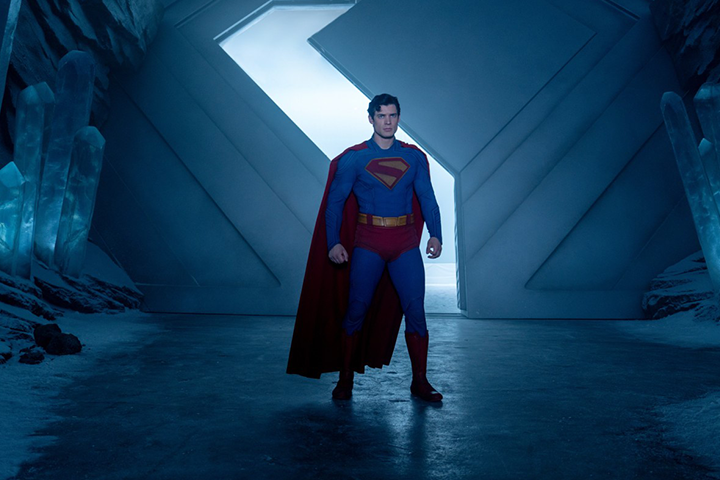
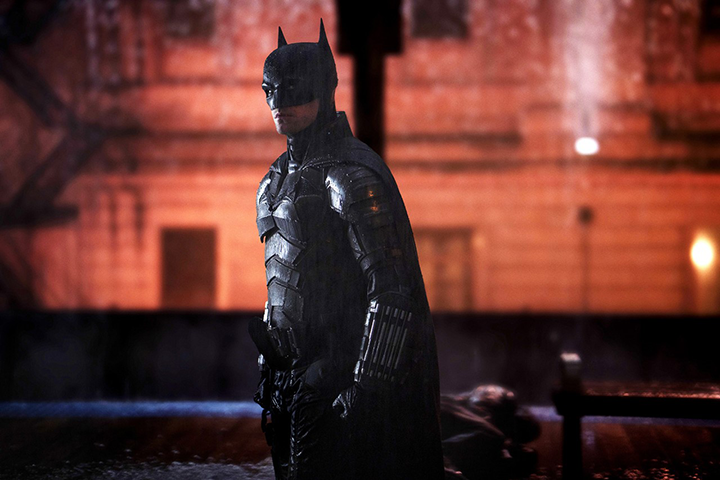
단순한 숫자의 합보다 더 위협적인 것은 ‘파괴적인 시너지’다. 넷플릭스가 축적해 온 사용자 데이터 분석과 추천 알고리즘이 워너브러더스의 강력한 지식재산권(IP)과 결합한다. DC 유니버스의 <슈퍼맨>과 <배트맨>, <해리 포터>의 마법 세계, <왕좌의 게임>의 대서사시가 넷플릭스 인터페이스 안에서 개인 맞춤형으로 제공되는 것이다. 이는 디즈니+, 아마존 프라임 비디오, 애플 TV 등 경쟁사들의 생존을 위협하는 수준이다.
미국 상원의회 사법위원회 산하 반독점 소위원회의 마이크 리 위원장(유타주, 공화당)은 이를 “제작과 배급 권력의 완전한 통합”이라고 규정하며 우려를 표했다. 적대적 인수 시도를 포기하지 않고 있는 파라마운트 스카이댄스 측이 이번 거래를 “신시대의 디지털 스탠더드오일(Standard Oil)”에 비유하며 강하게 반발하는 이유도 여기에 있다. 석유 독점이 산업혁명기의 에너지를 장악했듯, 넷플릭스의 콘텐츠 독점은 구독 가격 인상, 창작자 보상 감소, 소비자 선택권 축소에 더해 현대인의 ‘주의력’과 ‘문화적 향유권’까지 장악할 수 있다는 경고다. 이에 대해 넷플릭스 공동 CEO 테드 사란도스는 “넷플릭스는 전체 TV 시청 시간의 9%만 차지하고 있으며, 유튜브(12.7%)의 뒤를 잇는 수준”이라며 경쟁 환경의 다양성을 강조했다.
넷플릭스가 워너브러더스를 인수한다면 슈퍼맨, 배트맨 등 워너브러더스 IP를 넷플릭스가 사용하게 된다.
사진은 <슈퍼맨>(2025), <더 배트맨>(2022)의 한 장면
(제공=워너브러더스 코리아)
제작 현장이 느끼는 위기감 - “창의성이 죽어 간다”
이번 인수 발표 이후 미국 극장 업계와 영화 산업 노동조합은 강하게 반발하고 나섰다. 이들의 반대는 단순한 경제적 논리를 넘어 ‘영화라는 예술 형식의 보존’이라는 절박한 문제의식에서 비롯되었다.
워너브러더스는 오랫동안 작가와 감독의 창의적 비전을 존중하는 스튜디오로 명성을 쌓아 왔다. HBO를 통해 선보인 수많은 드라마 시리즈는 시청률보다 예술적 완성도를 우선시한 제작 철학의 산물이다. <소프라노스>(1999~2007)와 <왕좌의 게임>(2011~2019) 같은 작품들이 탄생할 수 있었던 배경에는 제작자에게 충분한 시간과 자율성을 보장하는 환경이 존재했다.
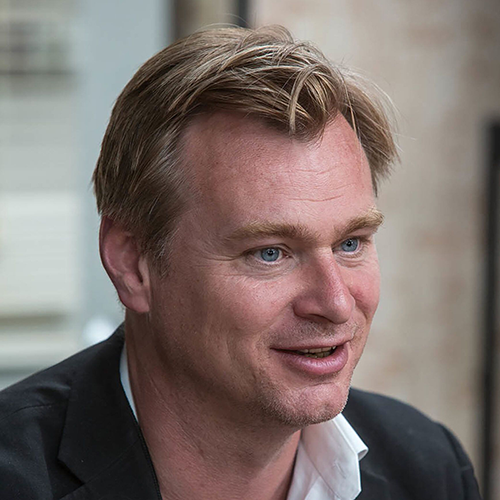
미국감독조합(Directors Guild of America, DGA) 회장인 크리스토퍼 놀란 감독은 이번 합병을 “문화적 생태계의 파괴”로 규정하며 전면 반대에 나섰다. 그는 넷플릭스 경영진과의 긴급 면담을 요청하고, 창작자 권익 보호를 위한 구체적 가이드라인을 요구하고 있다. 특히 최소 90일의 독점 극장 상영 기간을 계약 조건으로 명시할 것을 주장하며, 넷플릭스의 효율 중심 경영이 할리우드의 예술적 가치를 훼손한다고 비판했다.
제임스 카메론 감독 역시 인공지능(AI) 도입 문제와 비용 효율성 중심 전략을 지적하며 “이 합병이 창의적 자유를 심각하게 제한하고, 감독들을 단순한 ‘콘텐츠 제조기’로 전락시킬 수 있다”고 우려했다. 원로 배우 제인 폰다는 이를 “할리우드와 엔터테인먼트 산업을 파괴할 재앙적 거래”라고 규정하며, 자본의 논리가 예술의 혼을 잠식하는 현실을 강도 높게 비판했다.
넷플릭스와 워너브러더스의 인수합병을 반대한
크리스토퍼 놀란 감독(제공=DGA 홈페이지 캡처)
노조의 총력 저지 - “반독점의 교과서적 사례”
미국영화 산업을 지탱하는 3대 노조인 미국작가조합(Writers Guild of America, WGA), 미국감독조합, 미국배우·방송인조합(Screen Actors Guild - American Federation of Television and Radio Artists, SAG-AFTRA)은 이례적으로 공동 전선을 형성했다. 이들은 이번 합병이 노동자의 권익과 콘텐츠 다양성을 동시에 훼손하는 ‘독점적 횡포’라고 주장한다. 하나의 거대 구매자가 시장을 지배할 경우, 실험적이고 위험 부담이 큰 작품들이 위축될 수밖에 없다는 것이다.
미국작가조합은 공식 성명을 통해 “세계 최대 스트리밍 기업이 주요 경쟁자를 흡수하는 행위는 일자리 감소, 임금 하락, 콘텐츠 다양성 훼손으로 이어질 것”이라고 경고했다. 현장 스태프들의 우려 역시 구체적이다. 기술 인력을 대표하는 운수노조 팀스터스의 린지 도허티 지부장은 이를 “탐욕에 기반한 기업 통합”이라고 표현하며, 노동자들의 생존권을 직접적으로 위협한다고 주장했다. 미국배우·방송인조합은 일자리 감소와 임금 하락, 소비자가격 상승 가능성을 경고하며 협상력 약화가 근본적인 문제가 될 것이라고 지적했다.
반면 제작사들의 시각은 엇갈린다. 일부는 넷플릭스의 글로벌 네트워크를 통해 더 넓은 관객층에 도달할 기회로 보는 반면, 독립 제작사들은 “창의적 위험을 감수하기 어려워질 것”이라며 우려를 나타낸다. 넷플릭스는 스스로를 “창작자·노동자 친화적 기업”이라고 강조하지만, 출시 계약 구조와 워너브러더스 라이브러리 통합은 독립 제작사의 생존 공간을 축소시킬 가능성이 크다.
넷플릭스는 2026년 콘텐츠 예산을 200억 달러로 10% 증액하고, 미국 내 제작 역량 확대와 오리지널 투자 증가를 공언했다. 또한 2020~2024년 동안 14만 개의 일자리를 창출했다는 실적을 근거로 합병 이후 고용 확대를 약속하고 있다. 그러나 과거 월트디즈니–20세기 폭스(2019), 워너브러더스–AT&T(2018) 합병 사례에서 보듯 비용 절감을 이유로 프로젝트 취소와 인력 감축이 반복될 가능성도 배제할 수 없다. 특히 재무 구조에 대한 우려도 크다. 넷플릭스는 현금 200억 달러와 부채 422억 달러를 통해 이번 거래를 조달할 계획을 밝혔다. 그러나 발표 이후 주가는 12% 하락해 역사적 저평가 국면에 접어들었다. 워너브러더스는 디스커버리 글로벌을 분사해 두 개의 별도 상장 회사로 분리하고 이 분리는 넷플릭스와 워너브러더스의 인수합병 거래가 완료되기 전인 6~9개월 내 이뤄질 것으로 예상했다. 이 과정에서 워너브러더스는 분사 이후 부채 170억 달러 중 107억 달러를 넷플릭스에 이전하게 된다.
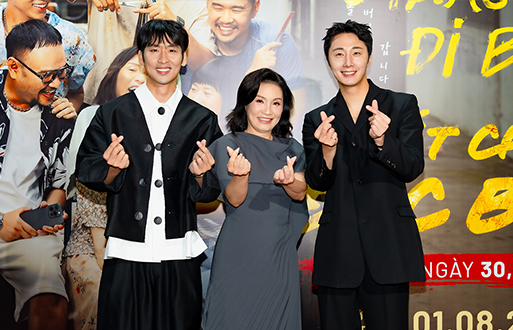
2024년부터 넷플릭스가 생중계하는
미국배우·방송인조합
(SAG-AFTRA) 시상식 ‘액터 어워즈’(제공=넷플릭스)
극장의 사활을 건 투쟁 - “45일 홀드백 유지”
워너브러더스는 전통적으로 극장 개봉을 중시해 온 메이저 스튜디오다. 반면 넷플릭스는 오랜 기간 극장 창구 단축을 주장해 왔다. 테드 사란도스는 45일 극장 창구 유지를 약속하며 유화책을 제시했지만, 업계의 반응은 회의적이다.
넷플릭스는 “극장 운영을 유지하고 수십억 달러의 매출을 보호하겠다”고 주장하지만, 공동 CEO 테드 사란도스가 과거에 “극장 모델은 구시대적”이라고 발언한 전력과 장기적으로 창구 단축을 시사해 온 점을 고려하면 신뢰는 제한적이다. AMC, 리갈(Regal), 시네마크(Cinemark) 등 미국 대형 극장 체인들은 수익성이 낮은 작품이 곧바로 스트리밍으로 전환될 경우 중소 극장의 연쇄 폐쇄로 이어질 수 있다며 규제 당국에 엄격한 심사를 촉구하고 있다.
테드 사란도스 CEO는 넷플릭스의 진정한 경쟁 상대가 전통적인 할리우드 스튜디오가 아니라 틱톡(TikTok), 인스타그램(Instagram)과 같은 숏폼 소셜미디어 플랫폼이라고 주장한다. 사람들이 장편영화와 TV를 떠나 모바일 단편 영상에 몰두하는 현상이야말로 할리우드 전체의 존립을 위협하는 ‘실존적 위협’이라는 진단이다. 이러한 관점에서 워너브러더스 인수는 독점이 아니라, 프리미엄 IP를 통해 대중의 관심을 다시 장편 스토리텔링과 고품질 영상 예술로 되돌리기 위한 방어 전략이라는 것이 넷플릭스의 논리다.
워너브러더스는 2025년 박스오피스에서 <슈퍼맨> <마인크래프트 무비>, 라이언 쿠글러 감독의 호러 영화 <씨너스: 죄인들> 등을 통해 강력한 극장 배급 역량을 입증했다. 이 같은 수익원을 넷플릭스가 쉽게 포기하지는 않을 것이라는 평가도 나온다. 그러나 넷플릭스의 45일 홀드백 약속이 모든 워너브러더스 영화에 적용될지, 아니면 블록버스터에 한정될지는 여전히 불투명하다. 중·소규모 영화가 더 짧은 창구나 스트리밍 직행으로 분류될 가능성도 존재하며, 시간이 흐르면서 정책이 변경될 여지도 남아 있다.
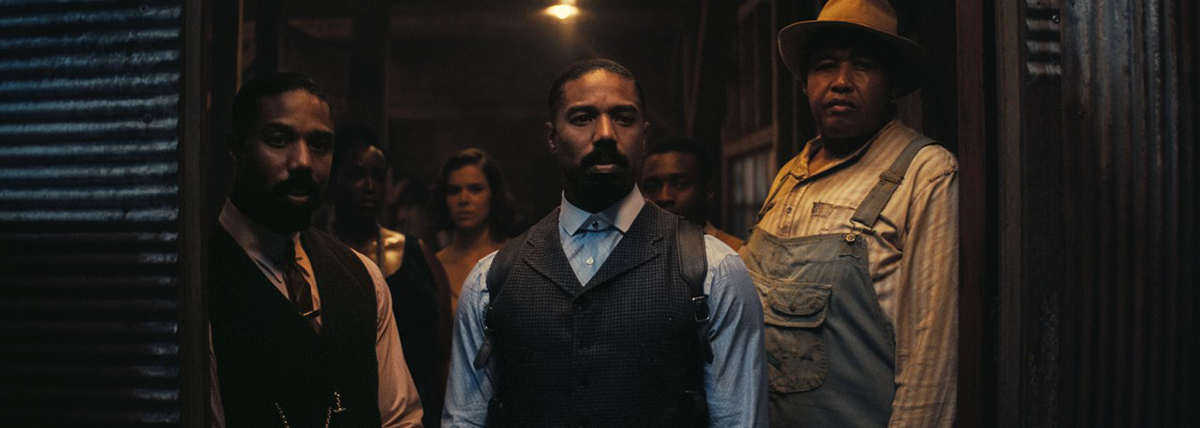
워너브러더스의 <씨너스: 죄인들>은 올해 미국 아카데미 시상식 16개 후보에 오르며
역대 최다 후보작이 되었으며, 원작 없는 오리지널 영화로 주목받았다
(제공=워너브러더스 코리아)
규제 당국의 칼날과 정치적 변수
넷플릭스와 워너브러더스는 “스토리텔링의 다음 세기를 함께 정의하겠다”고 공언하지만, 그 과정에서 할리우드의 예술적 전통과 노동자의 권리가 희생될 수 있다는 공포는 실재한다. 넷플릭스가 제시하는 미래는 ‘편리함’과 ‘효율성’이 지배하는 거대한 콘텐츠 도서관이다. 하지만 그 도서관 속에서 극장의 낭만, 창작자의 고집, 소수 예술의 다양성을 어떻게 보존할 것인지에 대한 답은 아직 제시되지 않았다.
이번 거래는 단순한 기업 인수를 넘어 스트리밍 시대의 승자 독식 구조를 공고히 하는 상징적 사건으로 평가된다. 넷플릭스는 글로벌 구독자 기반과 현금 창출 능력을 바탕으로 콘텐츠의 생산·유통·소비 전 과정을 장악하며, 월트디즈니의 수직 통합 모델을 넘어서는 초대형 엔터테인먼트 제국으로 부상하게 된다.
긍정적인 측면도 존재한다. 소비자는 더 저렴하고 편리한 방식으로 콘텐츠에 접근할 수 있으며, HBO 맥스와 넷플릭스 콘텐츠가 단일 애플리케이션으로 통합될 경우 번들 가격 인하, 사용자 인터페이스(UI) 통합, 추천 정확도 개선이 가능하다. 또한 넷플릭스의 자본력이 스튜디오 인프라와 오리지널 투자 확대로 이어질 경우, 장기적으로 산업 규모와 고용이 확대될 여지도 있다.
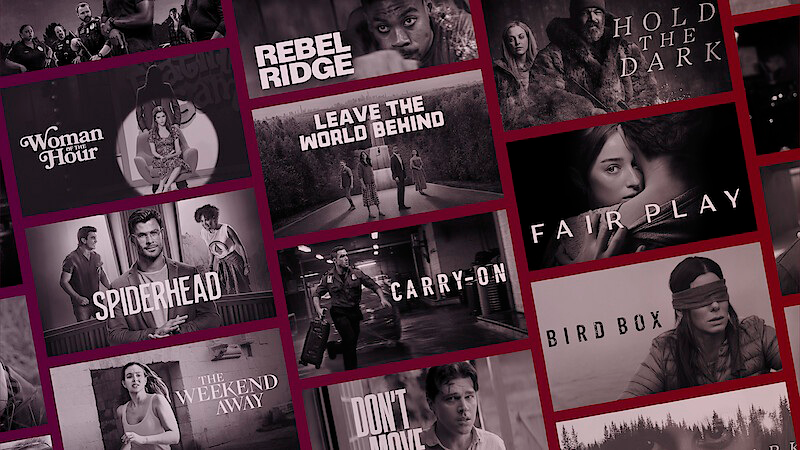
넷플릭스의 다양한 오리지널 영화(제공=넷플릭스)
그러나 부정적 파급효과 역시 무시할 수 없다. 콘텐츠 다양성 감소, 창작자 권리 약화, 극장 문화 쇠퇴, 독과점에 따른 가격 인상 압력이 대표적이다. 마이크 리 위원장이 제기한 경쟁 정보 유출 가능성, 파라마운트의 입찰 연장(2월 20일)과 프록시 전쟁, 정치적 변수 역시 거래 성사에 영향을 미칠 수 있다. 트럼프 행정부의 입장과 규제 기조가 승인 여부에 어떤 영향을 미칠지는 여전히 불확실하다.
이제 공은 미국 법무부(DOJ)와 연방거래위원회(FTC)로 넘어갔다. 이들의 결정은 단순한 경제적 승인 여부를 넘어, 향후 100년간 인류의 영상 문화를 누가, 어떻게 주도할 것인지를 가늠하는 역사적 판단이 될 것이다. EC의 심사도 거쳐야 한다. 분명한 것은, 할리우드 100년 역사에서 가장 극적인 변화의 순간이 도래했다는 사실이다.
넷플릭스
워너브러더스
파라마운트
인수
합병
할리우드
미국영화산업
극장
홀드백
OTT
GLOBAL
A Century-Defining Moment
for Hollywood
How the Netflix–Warner Merger
Could Transform the U.S. Entertainment Industry
By Ha Eun-seon
(Reporter, The Korea Times USA)
February 23, 2026
(Source: Warner Bros. Discovery)
(Source: Warner Bros. Discovery)
A fundamental transformation of Hollywood’s industrial structure is underway. Netflix, which upended the traditional media order by ushering in the streaming era, has moved to acquire Warner Bros. Discovery, a longstanding symbol of Hollywood’s golden age.
The proposed merger and acquisition (M&A), first announced on December 5, 2025, was revised on January 20, 2026, into an all-cash deal valued at USD 82.7 billion (USD 27.75 per share). Warner Bros.’ board of directors unanimously approved the transaction and moved up the shareholder vote to April 2026. This is more than the merger of two media giants: it signals the sunset of the Hollywood studio system that has endured since 1923 and the dawn of a post-Hollywood era—one in which data algorithms increasingly shape artistic creation.
At a February 3 hearing of the U.S. Senate Judiciary Committee’s Subcommittee on Antitrust, Competition Policy, and Consumer Rights, Netflix Co-CEO Ted Sarandos declared, “We are not here to kill Hollywood, but to save it,” drawing a clear line in the sand. Regulatory reviews by the U.S. Department of Justice (DOJ) and the Federal Trade Commission (FTC) remain pending. Both agencies have already received the Hart–Scott–Rodino (HSR) antitrust filing and launched intensive investigations. The European Commission (EC) has also indicated that it will conduct a stringent review of the proposed deal.
Will this bid to create a “media behemoth” become a lifeline for a stagnating film and television industry, or will it result in a dominant platform that standardizes and homogenizes creative diversity? This article examines the ripple effects of the historic merger now underway on the U.S. audiovisual industry as a whole, focusing on four key issues.
On March 21, Netflix will exclusively livestream BTS the Comeback Live: ARIRANG and
broadcast WWE programming, extending its reach beyond films and scripted dramas
into a broader range of entertainment sectors. (Source: Netflix)
A Clash Between Tradition and Algorithms
If the merger is completed, Netflix would become an unprecedented media empire in terms of pure scale. Netflix already boasts 325 million subscribers worldwide and commands more than a 30% share of the U.S. subscription video-on-demand (SVOD) market. Add HBO Max’s 128 million subscribers and Warner Bros.’ vast content assets, and the result would be a colossal ecosystem of more than 450 million subscribers, with a combined market share estimated at 43% globally and 30.7% in the United States.
More consequential than the sheer scale, however, is the “disruptive synergy” the merger would create. Netflix’s deep reservoir of user data, analytics, and recommendation algorithms would be fused with Warner Bros.’ powerful intellectual property (IP) portfolio. Iconic franchises—from the DC Universe’s Superman and Batman to the wizarding world of Harry Potter, and the epic saga of Game of Thrones—would be delivered as hyper-personalized experiences within the Netflix interface. Such a convergence could pose an existential threat to rival platforms including Disney+, Amazon Prime Video, and Apple TV+, potentially reshaping competitive dynamics across the global streaming landscape.
Mike Lee, chair of the U.S. Senate Judiciary Committee’s Subcommittee on Antitrust, Competition Policy, and Consumer Rights, voiced concern over the proposed deal, describing it as “the complete integration of production and distribution power.” This concern helps explain why Paramount Skydance, which has not abandoned its own takeover ambitions, has strongly opposed the transaction—likening it to a “digital Standard Oil of a new era.” Just as the oil monopoly once controlled the energy lifeblood of the Industrial Revolution, critics warn that Netflix’s potential dominance over content could result in higher subscription prices, reduced compensation for creators, and diminished consumer choice—while concentrating control over modern audiences’ “attention” and “cultural consumption rights.” In response, Netflix Co-CEO Ted Sarandos emphasized the diversity of the competitive landscape, noting that Netflix accounts for “only 9% of total TV viewing time,” trailing YouTube, which holds a 12.7% share.
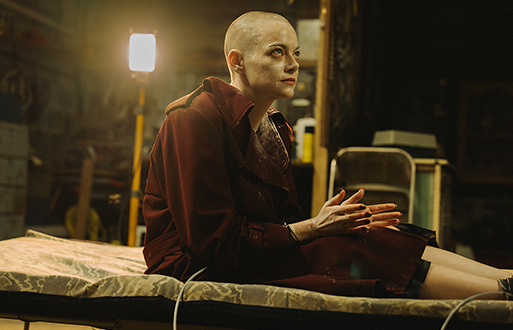
If Netflix acquires Warner Bros.,
it would gain access to iconic intellectual property such as Superman and Batman. Images shown: Superman (2025) and The Batman (2022) (Source: Warner Bros. Korea)
Growing Anxiety on Production Sets — “Creativity Is Dying”
In the wake of the acquisition announcement, the U.S. theater sector and film industry labor unions have mounted strong opposition. Their resistance extends beyond economic concerns, reflecting a deeper anxiety about the preservation of cinema as an art form.
Warner Bros. has long built its reputation as a studio that respects the creative vision of writers and directors. Many of the drama series released under the HBO banner emerged from a production philosophy that prioritized artistic excellence over short-term ratings performance. Landmark works such as The Sopranos (1999–2007) and Game of Thrones (2011–2019) were made possible by an environment that granted creators ample time, autonomy, and creative risk-taking.
Christopher Nolan, a leading voice within the Directors Guild of America (DGA), has denounced the merger as “the destruction of a cultural ecosystem” and declared his full opposition. He has called for an urgent meeting with Netflix executives and is demanding concrete safeguards to protect creators’ rights. In particular, Nolan is urging that a minimum 90-day exclusive theatrical window be written into contracts, arguing that Netflix’s efficiency-driven management model undermines Hollywood’s artistic values.
Director James Cameron has also raised concerns about the growing role of artificial intelligence (AI) and cost-efficiency–driven strategies, warning that “this merger could severely restrict creative freedom and reduce directors to mere ‘content manufacturers.’” Veteran actress Jane Fonda went further, calling the deal “a disastrous transaction that will destroy Hollywood and the entertainment industry,” and sharply criticizing what she sees as the logic of capital encroaching upon the soul of art.
Filmmaker Christopher Nolan has strongly opposed the proposed merger between Netflix and Warner Bros.
(Source: Directors Guild of America)
All-Out Resistance by Labor Unions – “A Textbook Case of Antitrust”
The three major unions that underpin the U.S. film and television industry—the Writers Guild of America (WGA), the Directors Guild of America (DGA), and the Screen Actors Guild‐American Federation of Television and Radio Artists (SAG-AFTRA)—have, in a rare move, formed a united front against the proposed merger. They argue that the deal represents a “monopolistic overreach” that would simultaneously erode workers’ rights and undermine content diversity. Should a single dominant buyer come to control the market, they warn, experimental and high-risk projects would inevitably be crowded out.
In an official statement, the WGA cautioned that “when the world’s largest streaming company absorbs a major competitor, it will lead to job losses, lower wages, and diminished content diversity.” Concerns from production sets are equally concrete. Lindsay Dougherty, a leader within the International Brotherhood of Teamsters representing technical workers, described the deal as “corporate consolidation driven by greed,” arguing that it directly threatens workers’ livelihoods. SAG-AFTRA likewise warned of potential job cuts, wage compression, and higher consumer prices, emphasizing that weakened collective bargaining power would become the core structural problem.
Meanwhile, production companies remain divided. Some view the merger as an opportunity to reach a broader global audience through Netflix’s vast distribution network, while independent studios warn that “it will become harder to take creative risks.” Netflix insists that it is a “creator- and worker-friendly company,” yet its release contract structures and the integration of the Warner Bros. content library are widely expected to narrow the space in which independent producers can survive.
Netflix has announced plans to increase its 2026 content budget by 10% to USD 20 billion, pledging to expand production capacity in the United States and step up investment in original programming. Citing the creation of 140,000 jobs between 2020 and 2024, the company has also promised further job growth following the merger. However, experience from past consolidations—including Disney’s acquisition of 21st Century Fox in 2019 and AT&T’s merger with Warner Bros. in 2018—suggests that repeated project cancellations and workforce reductions in the name of cost-cutting cannot be ruled out. Concerns over the financial structure of the deal are also mounting. Netflix plans to finance the acquisition with USD 20 billion in cash and USD 42.2 billion in debt. Following the announcement, its stock price fell by 12%, entering what analysts describe as a phase of historic undervaluation. Warner Bros., meanwhile, plans to spin off Discovery Global into two separately listed companies—a process expected to be completed within six to nine months, ahead of the finalization of the Netflix–Warner Bros. merger. As part of this restructuring, Warner Bros. will transfer USD 10.7 billion of its post–spin-off debt, out of a total of USD 17 billion, to Netflix.
The SAG-AFTRA Awards (“The Actor Awards”) have been broadcast live by Netflix since 2024. (Source: Netflix)
Theaters’ Fight for Survival – “Maintaining the 45-Day Holdback”
Warner Bros. has traditionally been a major studio that places strong emphasis on theatrical releases. By contrast, Netflix has long advocated shortening the theatrical window. While Netflix’s Ted Sarandos has attempted a conciliatory gesture by pledging to maintain a 45-day theatrical window, skepticism across the industry remains high.
Although Netflix insists that it will “maintain theatrical operations and protect billions of dollars in box office revenue,” trust remains limited. Sarandos’s past remarks describing the theatrical model as “outdated,” along with his long-standing suggestions that release windows could eventually be further shortened, continue to fuel concern. Major U.S. theater chains—including AMC Theatres, Regal Cinemas, and Cinemark—are urging regulators to conduct a rigorous review, warning that diverting lower-performing titles directly to streaming could trigger a wave of closures among small and mid-sized theaters.
Sarandos argues that Netflix’s true competitors are not traditional Hollywood studios, but short-form social media platforms such as TikTok and Instagram. In his view, the real “existential threat” to Hollywood lies in the accelerating shift of audience attention away from feature films and television toward mobile-based short-form video. From this perspective, Netflix contends that acquiring Warner Bros. would not constitute monopolization, but rather a defensive strategy aimed at drawing public attention back to long-form storytelling and high-quality visual art through premium intellectual property.
In 2025, Warner Bros. underscored its theatrical distribution strength at the box office with titles such as Superman, A Minecraft Movie, and Sinners, directed by Ryan Coogler. Some analysts therefore argue that Netflix is unlikely to relinquish such revenue streams lightly. However, uncertainty remains over whether Netflix’s promised 45-day theatrical holdback would apply uniformly to all Warner Bros. releases or be reserved primarily for major blockbusters. There is also concern that mid- and low-budget films could face shorter windows or be diverted directly to streaming—and that these policies could evolve over time.
Sinners , produced by Warner Bros., earned a record 16 Academy Award nominations,
drawing attention as an original, non-IP film. (Source: Warner Bros. Korea)
Regulatory Scrutiny and Political Variables
Netflix and Warner Bros. proclaim that they will “define the next century of storytelling together.” Yet persistent fears remain that Hollywood’s artistic traditions and workers’ rights could be compromised in the process. The future envisioned by Netflix centers on a vast content library optimized for “convenience” and “efficiency.” What remains unresolved, however, is how the romance of the movie theater, the stubborn individuality of creators, and the diversity of minority and independent art forms will be preserved within such a system.
The deal is widely viewed as a symbolic event that goes beyond a conventional corporate acquisition, further entrenching the winner-takes-all dynamics of the streaming era. By leveraging its global subscriber base and formidable cash-generating capacity, Netflix would gain control over the entire value chain—from content production and distribution to consumption—potentially emerging as a mega-scale entertainment empire that surpasses even Disney’s vertically integrated model.
There are, however, potential upsides. Consumers could gain access to content in more affordable and convenient ways, and the integration of HBO Max and Netflix programming into a single platform could result in lower bundled pricing, a unified user interface (UI), and more accurate recommendation systems. Moreover, if Netflix’s financial strength is channeled into expanded studio infrastructure and increased investment in original productions, the merger could support long-term growth in industry scale and employment.
Various Netflix original films (Source: Netflix)
However, the negative ripple effects cannot be ignored. These include a decline in content diversity, weakened creators’ rights, the erosion of theatrical culture, and upward pressure on prices driven by monopolistic dominance. Concerns raised by Mike Lee regarding the potential leakage of competitively sensitive information, Paramount’s bid extension (February 20) and ensuing proxy battle, as well as broader political variables, could all influence whether the deal ultimately proceeds. It also remains unclear how the Trump administration’s regulatory stance and enforcement priorities may affect the approval process.
The ball is now in the court of the U.S. Department of Justice and the Federal Trade Commission. More than a routine economic review, their ruling will shape who defines humanity’s visual culture in the next century—and how. With scrutiny from the European Commission also ahead, one of the most consequential moments in Hollywood’s 100-year history has arrived.
#Netflix #WarnerBros #Paramount #Acquisition #Merger #Hollywood #USFilmIndustry #Theaters #Holdback #OTT