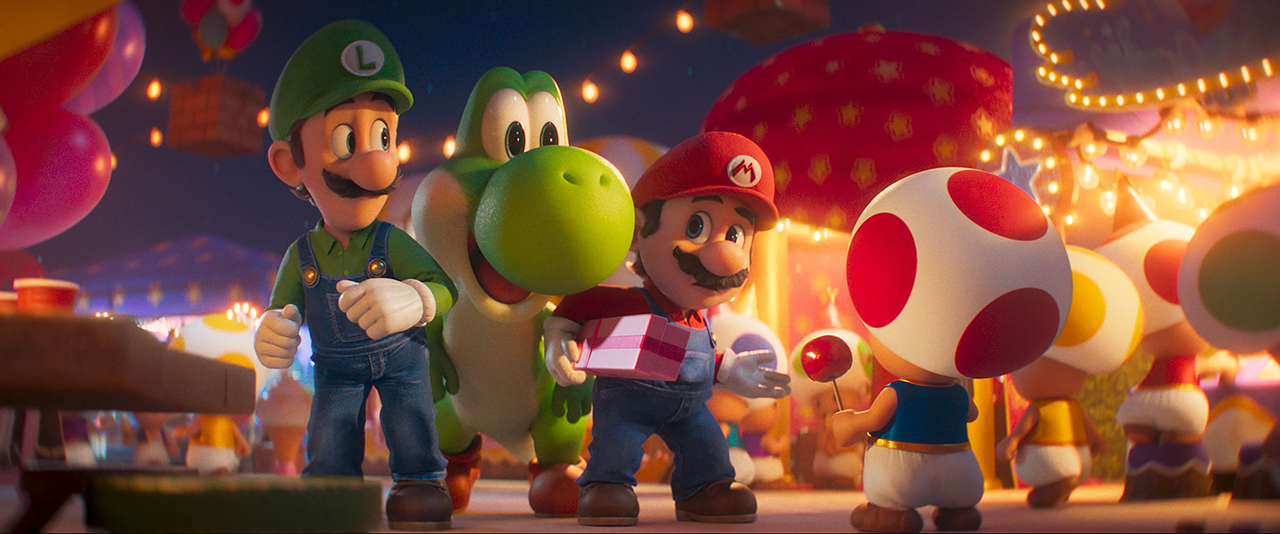
가장 젊은 두 예술 분야의 결속이 글로벌 판도를 흔들고 있다. 영화와 게임의 만남이다. ‘제7의 예술’로 불리는 영화와 학술적인 인정은 없었으나 고전 작품들이 영구 보존 대상으로 지정되고 있는 게임은 오랜 시행착오 끝에 2020년대부터 만족스러운 동거를 이어가고 있다. 게임 IP를 바탕으로 한 영화들이 연이은 흥행 성적을 쓰면서 영화계의 새로운 먹거리로 부상했기 때문이다. 2026년에 선보이는 할리우드 게임 IP 영화만 해도 여러 편이다. <리턴 투 사일런트 힐>이 미국 현지 개봉, <슈퍼 마리오 갤럭시>가 글로벌 개봉을 했고, 리부트되는 <스트리트 파이터>도 하반기 개봉을 앞두고 있다. 그러나 이 추세에서 한국영화계와 게임계는 뒤처지는 모습이다. 무슨 이유 때문일까. 할리우드에서 게임의 성공적인 영화화가 어떻게 이뤄졌는지를 살펴보면 우리의 현재 상황이 더 선명해질 것이다.
망작에서 캐시카우까지, 할리우드의 도전
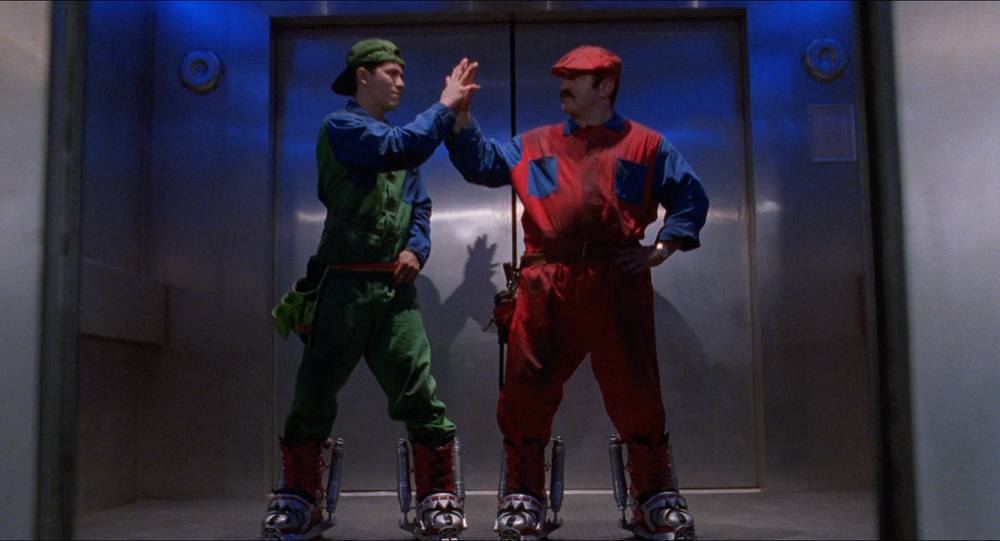
할리우드는 영화산업의 첨병답게 일찍이 게임의 영화화에 부단히 노력했다. 지금 일어나는 흥행이야말로 그 수많은 도전과 실패의 누적에서 온 결과라고 봐도 무방하다. 최초의 게임 원작 영화는 1993년 <슈퍼 마리오>(원제 ‘Super Mario Bros.’)다. “이것은 게임이 아니다”라는 카피를 내세우며 ‘슈퍼 마리오 브라더스’ 게임을 디스토피아풍의 SF 실사영화로 옮겼는데, 평가는 물론이고 흥행도 실패했다. 이 영화와 같은 원작을 2023년 애니메이션으로 옮긴 <슈퍼 마리오 브라더스>를 비교하면 2020년대 이전 게임 원작 영화와 그 이후의 판도가 왜 어떻게 바뀌었는지 쉽게 접근할 수 있다. 그 이유는 바로 원작자의 적극적인 제작 참여다.
앞서 예시로 든 <슈퍼 마리오>는 영화화 판권을 제작사에 넘긴 형태로 제작됐다. 대다수의 영화가 이런 방식으로 게임의 영화화에 도전했는데, 그 결과 컬트적인 인기를 얻은 <모탈 컴뱃>(1995)이나 <스트리트 파이터>(1994) 같은 작품은 나왔어도 게임 팬까지 만족하는 작품이 나오는 데엔 실패했다. 이어서 게임 팬들에게 지옥 같았던 시기는 유독 게임 원작 영화에서 메가폰을 많이 잡은 우베 볼 감독의 등장과 맞물린다. 물론 안젤리나 졸리 주연의 <툼 레이더> 시리즈(2001~2003), 밀라 요보비치 주연의 <레지던트 이블> 시리즈(2002~2016) 같은 게임 원작 영화 시리즈가 ‘여전사 캐릭터’의 부흥을 가져오긴 했으나 우베 볼 감독이 쏟아낸 여러 게임 원작 영화(<하우스 오브 더 데드>(2003), <블러드레인>(2005), <얼론 인 더 다크>(2005) 등)의 악명을 뒤집지는 못했다. 저예산에 게임의 모티브조차 제대로 구현하지 못한 영화들의 범람은 ‘게임 원작 영화는 망작’이란 편견을 심기 충분했다.
‘슈퍼 마리오 브라더스’ 게임을 원작으로 한 SF 영화 <슈퍼 마리오>(제공=월트디즈니 컴퍼니)
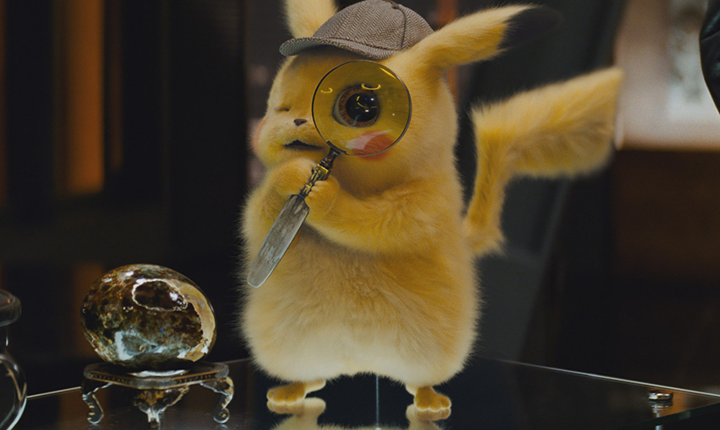
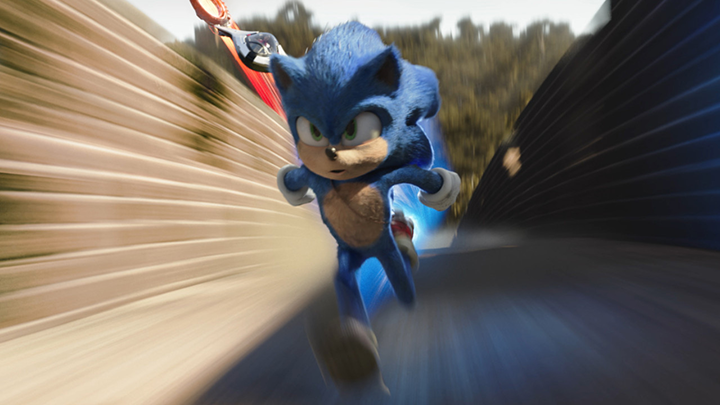
이런 흐름에서 전세를 뒤엎은 작품은 <명탐정 피카츄>(2019)와 <수퍼 소닉>(2020)이다. 두 작품의 성공은 영화화에 적합한 것을 찾고, 팬이 원하는 것을 정확하게 겨냥한 것에서 비롯됐다. <명탐정 피카츄>는 ‘포켓몬스터’ 게임 IP에서 가장 유명한, 포켓몬의 포획과 배틀을 하는 본편의 시스템이 아니라, 외전 게임 ‘명탐정 피카츄’(2016)를 영화화했다. 이를 통해 옮기기 어려운 본편의 난점을 돌파하고 프랜차이즈의 개성은 살렸다는 평가를 받았다. <수퍼 소닉>은 첫 공개 후 CGI에 비판의 목소리가 이어지자 개봉일 연기까지 감수하며 전면 수정을 강행했다. 결국 <명탐정 피카츄>는 전 세계 4억 5천만 달러, <수퍼 소닉>은 3억 달러를 돌파하며 게임 원작 영화의 전성기를 열었다.
글로벌 흥행에 힘입어 게임 IP 영화화의
전성기를 연 <명탐정 피카츄>(위)와
<수퍼 소닉>
(제공=워너브러더스 코리아, 롯데엔터테인먼트)
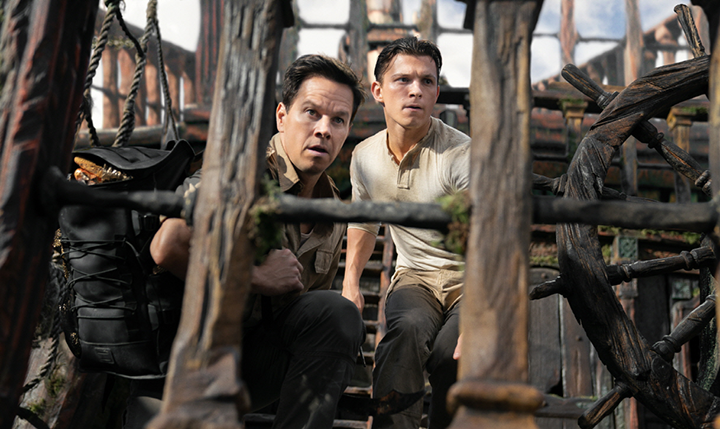
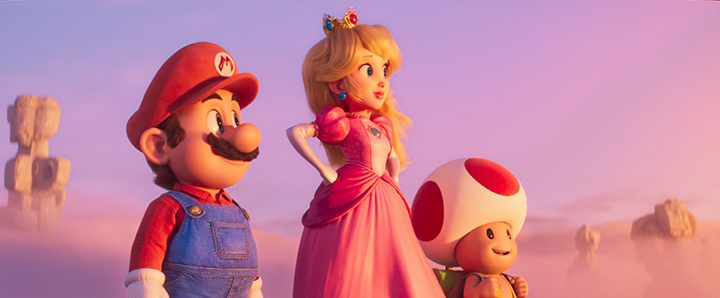
특히 이 두 작품은 원작사가 제작에 참여한 것이 돋보인다. <명탐정 피카츄>는 포켓몬 컴퍼니가 제작에, <수퍼 소닉>은 세가 사미 홀딩스가 제공에 참여했다. 이 흐름을 빠르게 알아차린 건 각각 플레이스테이션과 스위치라는 자사 콘솔을 가진 소니 인터랙티브 엔터테인먼트와 닌텐도다. 양측은 각 콘솔 라인업으로 자사 스튜디오가 개발하거나 독점 계약한 작품들이 다수 있었고, 이를 토대로 본격적인 영화 산업 진출을 꿈꾼다. 소니 인터랙티브 엔터테인먼트는 2019년 플레이스테이션 프로덕션을 설립, 동명 게임을 원작으로 한 영화 <언차티드>(2022)와 드라마 <더 라스트 오브 어스>(2023) 등 다양한 작품을 제작하고 있다. 반면 닌텐도는 별도의 제작사를 설립하지 않았으나 본사에서 직접 제작을 관여, 일루미네이션 스튜디오와 합작으로 <슈퍼 마리오 브라더스>를 완성했다. 해당 영화는 전 세계 13억 달러를 돌파해 2023년 글로벌 흥행 2위를 차지하는 압도적인 성적을 거뒀다. 이렇게 직접 제작에 관여하는 대형 스튜디오의 방식 외에도, 다양한 게임이 영화화되며 게임 원작 영화의 파란을 이어갔다. 워너브러더스는 <마인크래프트 무비>(2025), 공포영화 레이블 블룸하우스는 <프레디의 피자가게>(2023~)의 제작에 원작자가 참여함으로써 원작의 결을 어느 정도 유지해 흥행까지 이어졌다.
<언차티드>(위)와 <슈퍼 마리오 브라더스>는 각각
자사 콘솔을 보유한
소니 인터랙티브 엔터테인먼트, 닌텐도가 영화 제작에 나선 작품이다
(제공=소니 픽쳐스, 유니버설 픽쳐스)
K-게임의 영화화가 어려운 이유
이런 흐름에서 한국영화계와 게임계는 다소 동떨어져 있다. 게임을 바탕으로 한 영화화는 오랜 기간 지연되고 있는데, 그나마 나온 <화이트데이: 부서진 결계>(2021)는 저항하기 힘든 오컬트의 분위기를 내세운 원작과 달리 퇴마물을 표방해 전혀 다른 작품이 됐고, 처참한 평가를 받으며 도리어 영화화의 맥을 끊었다. 그렇다고 게임과 영화의 만남에 대한 수요가 적은 것이 아니다. 동명 소설을 원작으로 영화화된 <전지적 독자 시점>(2025), 마찬가지로 웹소설을 바탕으로 애니메이션화된 <나 혼자만 레벨업>(2024~)을 보면 한국 대중이 게임에 대해 갖는 이해도나 관심은 분명히 존재한다.
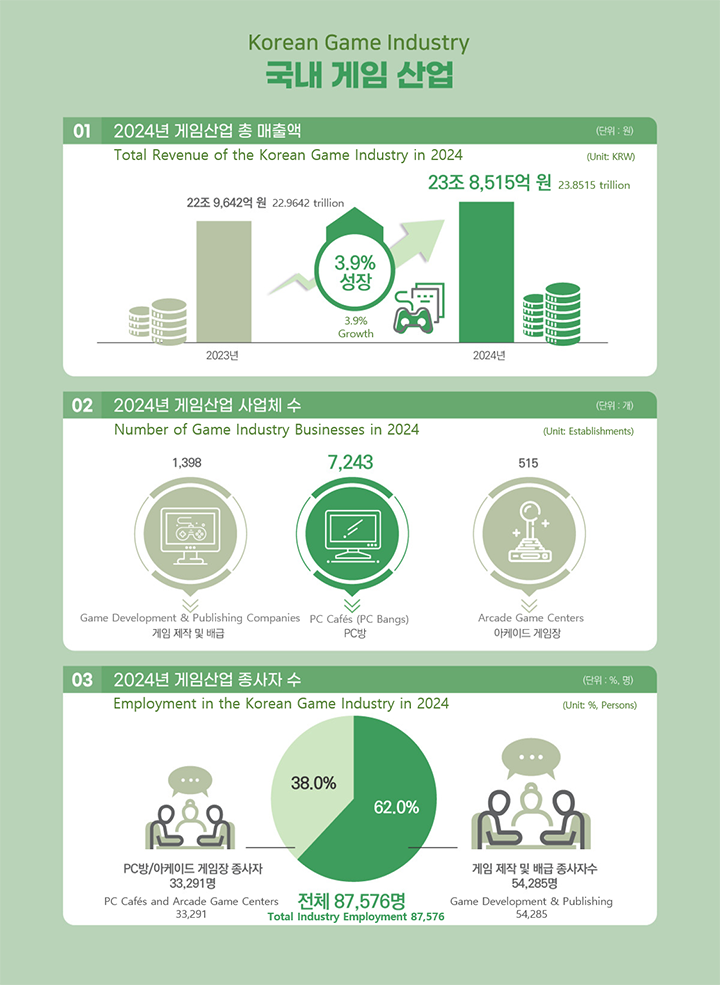
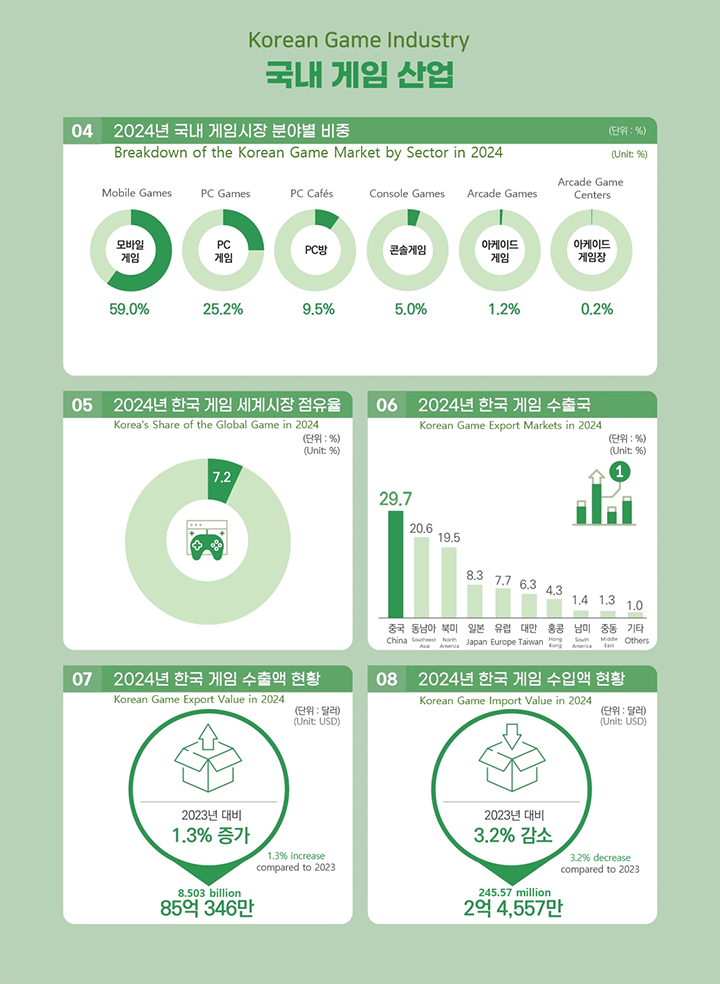
관심도라는 다소 피상적인 수치 외에 산업 규모도 이를 증명하고 있다. 문화체육관광부와 한국콘텐츠진흥원에서 발표한 ‘2025 대한민국 게임백서’를 따르면 2024년 한국의 게임산업은 규모가 23조 원에 달하고, 한국 게임산업의 세계 시장 점유율은 7.2%로 전 세계 4위에 해당한다. 때문에 한국 대중이 게임에, 혹은 게임 원작 영화에서 관심이 없다고 보기는 어렵다.
‘2025 대한민국 게임백서’에 따르면
2024년 국내 게임산업 총 매출액은 2023년에 비해 3.9% 늘어났으며
한국 게임의 세계 시장 점유율을 7.2%를 기록했다
(제공=한국콘텐츠진흥원)
그러면 한국에서 게임 원작 영화가 태어나기 어려운 이유는 무엇일까? 할리우드와 일대일로 비교했을 때 가장 두드러지는 차이는, 본격적으로 영화 제작에 뛰어든 국내 게임 개발사가 전무하다는 점이다. 대형 게임 IP를 보유하고 IP 확장의 가능성이 큰 게임 개발사들은 게임의 영화화에 대체로 “계획이 없다”는 정도로 답변했다. 물론 영화화만 진행하지 않을 뿐, 각 게임 프랜차이즈는 제각기 미디어믹스를 진행하고 있다. 그렇다면 왜 영화만은 검토되고 있지 않은 것일까?
IP 소싱 및 투자 경험이 있는 영화계 관계자는 “영화는 자사에서 기획, 개발해 투자하는 것과 제작사를 통해서 개발 혹은 발굴한 작품을 가져오는 경우가 있다. 그런데 게임 원작 영화는 어느 방향으로든 흔하지 않다”며 현재도 한국에서 게임 원작 영화는 진행 중인 프로젝트가 없다고 밝혔다.
해당 세계를 어디까지 그릴 것인가에 대한 고민이 동반된다는 것도 지적되는 부분이다. 영화라는 2시간 포맷에서 ‘세계관을 어느 정도 설명해야 하나’라는 것은 각색과는 별개의 문제다. 설명하지 않으면 진입장벽이 높고 설명을 하자니 영화를 볼 다양한 타깃층 가운데 어디에 초점을 두어야 하는가, 하는 어려움이 따라온다. 관계자는 최근 방영 중인 TVING 오리지널 <취사병 전설이 되다>를 예시로 들었다. 이 드라마는 육군 취사병이 퀘스트와 레벨 업 등으로 전설의 취사병으로 거듭나는 과정을 그린다. 관계자는 “게임의 시스템을 차용한 작품이라서 전체적으로 여성 시청자들은 용어나 게임 시스템에 관한 개념을 상대적으로 이해하기 어렵다는 반응”이라며 “그래도 현실이 배경이고 가족 이야기가 많아 풀어내기 쉬운 편”으로 해당 단점을 타파했음을 설명했다. 하지만 게임을 모티브가 아닌 원작으로 한 영화라면, 이런 몰입을 돕는 요소가 적기에 난점을 해소하기 어렵다.
육군 취사병의 레벨과 스킬 보유, 능력치 등을
게임 화면처럼 구현한 <취사병 전설이 되다>
(제공=<취사병 전설이 되다> 캡처)
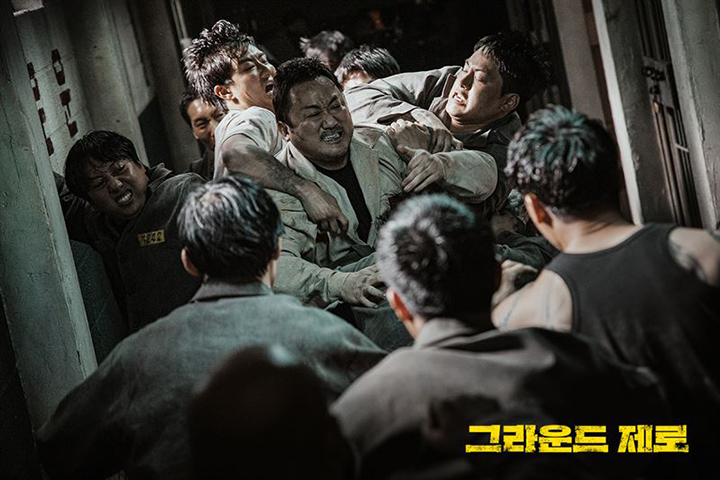
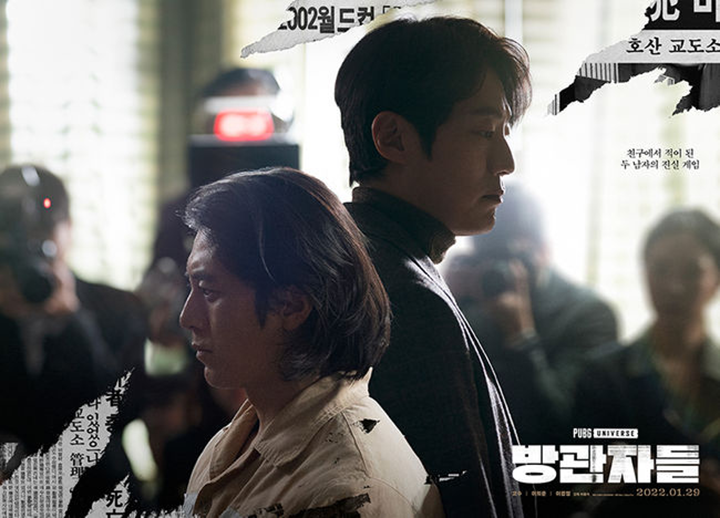
이러한 난점은 현재 프랜차이즈급으로 자리 잡은 한국 게임 IP 대다수가 ‘온라인 게임’이라는 태생적 특징에서 기인한다. 할리우드에서, 혹은 그 외의 지역에서 영화화된 게임의 사례를 보면 기본적으로 닫힌 서사를 가진 원작이 바탕이다. 일반적으로 ‘싱글 게임’이라고 부르는 패키지 게임은 시리즈의 일부라고 해도 작품 내에서 서사를 일단락하는 반면, 온라인 게임은 유저의 유입 및 유지를 위해 업데이트로 스토리를 확장하는 식으로 서사를 제공하고 있다. 그래서 게임의 영화화에 초점을 맞추기보다 게임의 세계관 확장을 위한 미디어믹스로 지향하는 지점이 게임업계의 방향이다. 크래프톤의 게임 ‘펍지: 배틀그라운드(PUBG: BATTLEGROUNDS)’의 세계관 프랜차이즈인 ‘펍지 유니버스(PUBG Universe)’가 ‘진실 2부작’ 단편영화를 기획해 마동석을 기용한 <그라운드 제로>(2021), 고수와 이희준 등이 출연한 <방관자들>(2022)을 제작한 것 역시 본편의 배틀 로얄 전투가 아니라 이 세계관에 핵심이 된 사건을 영상화하는 것으로 진행했다.
이런 지점 외에도 영화계 관계자의 말에 따르면 “가장 중요한 지점은 게임을 영화화하기에 적합한 오리지널리티가 있느냐”가 관건이다. 그런데 “근래 게임은 시네마틱 영상이나 게임 내 컷신으로 이미 영화를 어느 정도 구현하고 있다. 그렇다면 영상화하는 입장에서 ‘게임과 다른 것’을 만들어야 하는데 이미 게임 내에서 영화적인 것을 담고 있으니 그 점이 쉽지 않다”는 것이다.
또한 게임 IP의 영화화를 진행하는 것이 소설, 웹툰 등 타 매체 작품의 판권을 구매해 진행하는 통상적인 영화화보다 이점이 없다는 점도 지적했다. 관계자는 “영화화할 만큼 대형 IP라면 보통 개발사가 대기업”이라며 “소설이나 웹툰처럼 판권이 저렴하진 않다. 그리고 개발사들이 IP에 가지고 있는 자부심이 큰데, 그에 맞춰서 영상화 개발 및 기획을 하는 것도 쉽지 않다”고 설명했다. “5~6년 전까지만 해도 가장 큰 허들인 CG 기술력은 어느 정도 해소됐으나 CG에 들어가는 예산 문제는 여전하다. 이런 지점들 때문에 제작, 투자 쪽에선 게임이 영상화가 쉽지 않은 장르 군이라고 생각하고 있다”고도 덧붙였다.
글로벌 게임 ‘펍지: 배틀그라운드’의 세계관을 전파하는
‘펍지 유니버스(PUBG Universe)’ 작품 <그라운드 제로>(위)와 <방관자들>(제공=크래프톤)
한국 게임 원작 영화를 위한 제안
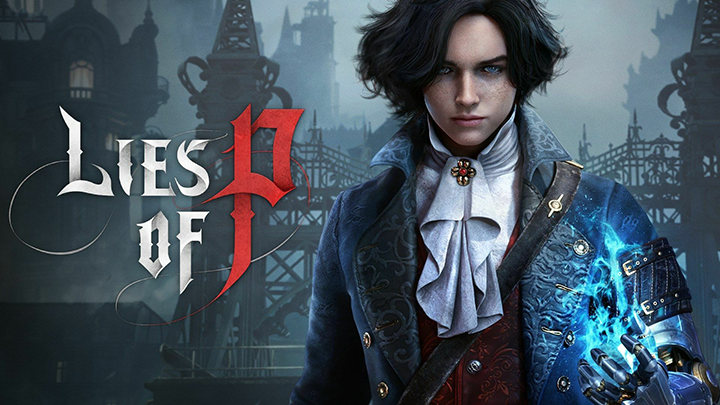
그렇다면 앞으로 한국영화계와 게임계가 접점을 이루려면 어떤 구도가 형성돼야 할까. 근래 부흥하고 있는 패키지 게임 및 인디 게임 쪽으로 초점을 돌려보면 새로운 방향이 보일 것이다. ‘P의 거짓’(라운드8 스튜디오, 2023)이나 ‘스텔라 블레이드’(시프트업, 2024) 같은 대규모 개발 게임 중 패키지 게임이나 ‘산나비’(원더포션, 2023), ‘데이브 더 다이버’(민트로켓, 2023), ‘스테퍼 케이스: 초능력 추리 어드벤처’(팀 테트라포드, 2023)처럼 특색 있는 플레이와 스토리를 담은 인디 게임 등은 영화화 개발이나 재정적인 면에서 보다 접근하기 쉬워 보인다. 물론 이 게임들 또한 개발사가 본격적으로 차기작에 도입한 것, 각 게임이 영화화에 쉽지 않은 스타일이라는 난관은 여전하다.
동화 <피노키오>를 원작으로 한 3인칭 액션 RPG
‘P의 거짓’(위)과
미래의 조선을 배경으로 하는 액션 게임 ‘산나비’(제공=네오위즈)
산업에 맞춰 돌파구를 찾는 것이 가장 적합할 것이다. 그렇기에 인지도가 높은 프랜차이즈, 매출이 높은 프랜차이즈만을 답안지로 준비해두는 것은 적합하지 않다. 한국영화계가 제작 규모나 스케일이 아닌 한국영화만의 독특한 차별화와 작품성으로 승부했듯 게임을 영화로 옮기는 것 또한 할리우드의 모범 답안을 따를 필요는 없다. 게임의 인터랙티브(상호 작용)를 제하고도 충분히 매력적인 이야기와 세계관을 담은 것이라면 충분히 영화로도 승산이 있다는 점을 염두에 두고, 한국영화와 게임의 조우를 준비하는 움직임이 있길 기원한다.
게임
게임IP
게임영화
슈퍼마리오
슈퍼마리오브라더스
수퍼소닉
명탐정피카츄
언차티드
P의거짓
산나비
배틀그라운드
GLOBAL
The Untapped Potential of
K-Games
Why Has Korea Struggled to Produce Successful
Game-to-Film Adaptations?
By Sung Chan-eol
(Deputy Editor-in-Chief, CINEPLAY)
June 08, 2026
The Super Mario Galaxy Movie, the sequel to
The Super Mario Bros. Movie (Courtesy of Universal Pictures)
The Super Mario Galaxy Movie, the sequel to
The Super Mario Bros. Movie
(Courtesy of Universal Pictures)
The alliance between two of the youngest art forms is reshaping the global entertainment landscape: film and video games. Film, often referred to as the “seventh art,” and video games, which have increasingly gained recognition as a cultural and artistic medium, have finally found a successful partnership in the 2020s after decades of trial and error. The reason is simple. Films based on game IPs have delivered one box-office success after another, emerging as a new growth engine for the film industry. Hollywood alone is releasing several game-based films in 2026. Return to Silent Hill has opened in the United States, The Super Mario Galaxy Movie has been released worldwide, and the rebooted Street Fighter is scheduled to hit theaters later this year. Yet amid this trend, Korea’s film and gaming industries appear to be lagging behind. Why is that? Examining how Hollywood achieved successful game-to-film adaptations may shed light on Korea’s current situation.
From Box-Office Disasters to Cash Cows:
Hollywood's Evolution in Game-to-Film Adaptations
As the spearhead of the global film industry, Hollywood began experimenting with game adaptations early on. Today's success stories are, in many ways, the cumulative result of countless attempts and failures. The first film based on a video game was Super Mario Bros. in 1993. Promoted with the tagline “This Ain’t No Game,” the film transformed the Super Mario video game into a dystopian live-action science-fiction movie. It failed both critically and commercially. Comparing that film with The Super Mario Bros. Movie (2023), the animated adaptation of the same source material, provides a useful way to understand how and why the fortunes of game-based films changed before and after the 2020s. The key difference lies in the active involvement of the original creators.
The 1993 Super Mario Bros. movie was produced after the film rights were simply licensed to a production company. Most game adaptations followed a similar model. While a few films such as Mortal Kombat (1995) and Street Fighter (1994) gained cult followings, they largely failed to satisfy dedicated game fans. The period that followed was especially painful for gaming enthusiasts, coinciding with the rise of director Uwe Boll, who became notorious for directing numerous game-based films. To be fair, adaptations such as the Tomb Raider series (2001–2003), starring Angelina Jolie, and the Resident Evil series (2002–2016), starring Milla Jovovich, helped revive the popularity of the female warrior archetype. However, they could not overcome the negative reputation created by many of Boll's productions, including House of the Dead (2003), BloodRayne (2005), and Alone in the Dark (2005). Produced on limited budgets and often failing to capture even the basic essence of their source material, these films flooded the market and reinforced the stereotype that “movies based on video games are doomed to fail.”
The 1993 film Super Mario Bros. based on the Super Mario game (Courtesy of The Walt Disney Company)
The films that ultimately turned the tide were Detective Pikachu (2019) and Sonic the Hedgehog (2020). The success of these two works stemmed from identifying what could be effectively adapted for film and precisely targeting what fans wanted to see. Rather than adapting the mainline Pokémon games—whose core gameplay revolves around capturing and battling Pokémon—Detective Pikachu adapted the 2016 spin-off game of the same name. By doing so, it overcame the challenges of translating the main series to film while preserving the franchise’s unique charm. Sonic the Hedgehog, meanwhile, faced widespread criticism over its CGI character design when the first trailer was released. In response, the filmmakers undertook a complete redesign, even delaying the release date to do so. The results spoke for themselves: Detective Pikachu grossed USD 450 million worldwide, while Sonic the Hedgehog surpassed USD 300 million, ushering in a new golden age for game-based films.
Detective Pikachu (top) and Sonic the Hedgehog ushered in a new golden age of game-based films
through their box-office success. (Courtesy of Warner Bros. Korea and Lotte Entertainment)
What is particularly noteworthy about these two films is the direct involvement of the original rights holders in the production process. Detective Pikachu was produced with the participation of The Pokémon Company, while Sonic the Hedgehog was developed with the involvement of Sega Sammy Holdings. The companies that recognized this trend most quickly were Sony Interactive Entertainment and Nintendo, each of which operates its own gaming console ecosystem through PlayStation and Nintendo Switch, respectively. Both companies possessed extensive portfolios of games developed by their own studios or secured through exclusive agreements, and they saw an opportunity to expand seriously into the film industry based on these assets. Sony Interactive Entertainment established PlayStation Productions in 2019 and has since produced a variety of adaptations, including Uncharted (2022) and the television series The Last of Us (2023), both based on PlayStation game franchises. Nintendo, on the other hand, did not create a separate production company. Instead, it became directly involved in the filmmaking process and collaborated with Illumination to produce The Super Mario Bros. Movie. The film generated an extraordinary worldwide box-office total of more than USD 1.3 billion, becoming the second-highest-grossing film globally in 2023. Beyond the approach taken by these major studios, which actively participate in production themselves, a wide range of games continued to be adapted for the screen, sustaining the momentum of the game-to-film boom. Warner Bros.' A Minecraft Movie (2025) and Blumhouse's Five Nights at Freddy's franchise (2023– ) both benefited from the participation of their original creators, helping preserve the essence of the source material and translating that authenticity into commercial success.
Uncharted (top) and The Super Mario Bros. Movie were both produced with the direct involvement of
their respective platform holders. (Courtesy of Sony Pictures and Universal Pictures)
Why Have K-Games Struggled to Make the Leap to Film?
Against this backdrop, Korea's film and gaming industries remain somewhat disconnected from one another. Efforts to adapt games into films have been delayed for years. The most notable example to emerge, The Labyrinth (2021), based on the game White Day: A Labyrinth Named School, became a fundamentally different work from its source material. While the original game was renowned for its inescapable atmosphere of supernatural horror, the film reimagined it as an exorcism-themed movie. The result was disastrous critical reception, which, rather than opening the door to further adaptations, effectively halted momentum for game-based films in Korea. That does not mean there is little demand for collaborations between games and film. The success of Omniscient Reader: The Prophecy (2025), adapted from the web novel of the same name, and Solo Leveling (2024– ), which was adapted into an animated series from a web novel, demonstrates that Korean audiences clearly possess both an understanding of and an interest in game-related content.
Beyond audience interest—a somewhat abstract measure—the industry's scale also supports this conclusion. According to the 2025 Korea Game White Paper published by the Korean Ministry of Culture, Sports and Tourism and the Korea Creative Content Agency (KOCCA), Korea's game industry was worth KRW 23 trillion in 2024. The country's share of the global gaming market reached 7.2%, ranking fourth worldwide. Given these figures, it is difficult to argue that Korean audiences lack interest in games or in films based on game properties.
According to the 2025 Korea Game White Paper, Korea’s game industry grew by 3.9% in 2024,
accounting for 7.2% of the global game market. (Courtesy of KOCCA)
So why is it so difficult for game-based films to emerge in Korea? Compared directly with Hollywood, the most striking difference is that no Korean game developer has seriously entered the film production business. Major game developers that possess valuable IPs and significant potential for franchise expansion generally responded that they have “no plans” for film adaptations. This does not mean they have abandoned media expansion altogether. On the contrary, many game franchises are actively pursuing various forms of media mix strategies. The question, then, is why film adaptations remain largely absent from the discussion.
A film industry professional with experience in IP sourcing and investment explained, “Movies are either planned, developed, and financed internally, or acquired from production companies that have developed or discovered promising projects. However, films based on game IPs are uncommon in either case.” The source added that there are currently no game-based film projects actively in development in Korea.
Another frequently cited challenge is determining how much of a game's world should be depicted on screen. In a two-hour film format, deciding “how much of the game's universe needs to be explained” is a separate issue from adaptation itself. Too little explanation creates a high barrier to entry for general audiences, while too much explanation raises another question: among the many potential audience groups, who should the film primarily target? The industry source pointed to the recently aired TVING original series The Legend of Kitchen Soldier as an example. The drama follows an army cook who rises to become a legendary military chef through quests, level-ups, and other game-like mechanics. “Since the series borrows game systems, female viewers in particular tended to respond that they found some of the terminology and gaming concepts relatively difficult to understand,” the source explained. “However, since the story is set in the real world and focuses heavily on family relationships, it was easier to make the material accessible and overcome that limitation.” A film directly adapted from a game, however, would have far fewer of these grounding elements to help audience immersion, making it significantly more difficult to overcome such challenges.
The Legend of Kitchen Soldier visualizes the protagonist’s level, skills, and character attributes through
a video game-style interface. (Courtesy of The Legend of Kitchen Soldier)
These challenges stem largely from the fact that most Korean game IPs that have achieved franchise-level success originated as online games. Looking at successful game-to-film adaptations in Hollywood and elsewhere, the source material is generally built upon a self-contained narrative. Package games—commonly referred to as “single-player games”—typically bring their stories to a conclusion within each installment, even when they are part of a larger series. Online games, by contrast, continuously expand their narratives through updates in order to attract and retain players. As a result, the Korean game industry has tended to view visual storytelling not as a means of adapting games into films, but rather as a form of media mix designed to expand a game's universe. A prime example is Krafton's PUBG Universe, a franchise built around the world of PUBG: Battlegrounds. As part of its “Truth Duology” short-film project, Krafton produced Ground Zero (2021), starring Ma Dong-seok, and Bystanders (2022), featuring Go Soo and Lee Hee-jun. Rather than depicting the battle royale gameplay of the main title, these productions focused on dramatizing key events that form the foundation of the broader PUBG universe.
Beyond these issues, industry insiders argue that the most important question is whether a game possesses enough originality to justify a film adaptation in the first place. According to one film industry professional, “The key issue is whether the game has a level of originality that makes it suitable for adaptation into a film.” The challenge, however, is that modern games already incorporate highly cinematic storytelling through cutscenes and in-game cinematics. “From the perspective of filmmakers, they need to create something different from the game,” the source explained. “But many games already contain elements that feel very much like movies, which makes that task difficult.”
The source also pointed out that adapting a game IP offers fewer advantages than adapting works from other media such as novels or webtoons. “If an IP is large enough to warrant a film adaptation, the developer is usually a major corporation,” the source said. “The rights are not inexpensive like those for novels or webtoons. In addition, developers tend to have a great deal of pride in their IPs, and aligning the planning and development of a screen adaptation with those expectations is not easy.” The source added that while one of the biggest obstacles—the lack of advanced CGI technology—has largely been overcome over the past five or six years, the cost of producing high-quality visual effects remains a major challenge. “For these reasons, both producers and investors continue to view games as a difficult category to adapt for the screen,” the source concluded.
Ground Zero (top) and Bystanders, part of the PUBG Universe initiative created to expand the world of
the global gaming phenomenon PUBG: Battlegrounds (Courtesy of Krafton)
The Future of Game-Based Films in Korea
What kind of framework, then, would allow Korea's film and gaming industries to find common ground in the future? One possible answer may lie in shifting attention toward the package-game and indie-game sectors, both of which have been experiencing renewed growth in recent years. Among large-scale productions, package games such as Lies of P (Round8 Studio, 2023) and Stellar Blade (Shift Up, 2024) appear to offer more accessible opportunities for adaptation. Likewise, indie titles that combine distinctive gameplay with compelling narratives—such as SANABI (Wonder Potion, 2023), Dave the Diver (Mintrocket, 2023), and Staffer Case: A Supernatural Mystery Adventure (Team Tetrapod, 2023)—may present more manageable options both creatively and financially for film development. Of course, these games are not without their own challenges. Many of the developers are currently focused on expanding their franchises through sequels and future projects, while the unique styles and gameplay-driven identities of these titles may still prove difficult to translate effectively into a feature film format. The obstacles, in other words, have not disappeared.
Lies of P (top), a third-person action RPG inspired by the fairy tale Pinocchio, and SANABI,
an action game set in a futuristic reimagining of Korea's Joseon era (Courtesy of Neowiz)
If Korean game developers are not prepared to open the door to film adaptations in the same way Hollywood studios have, then the Korean film industry may be better served by finding a path that aligns with the realities of its own market. In that sense, focusing exclusively on the most recognizable franchises or the highest-grossing IPs is unlikely to be the right answer. Just as Korean cinema has distinguished itself through originality, artistic merit, and unique storytelling rather than sheer production scale, game-to-film adaptations need not follow Hollywood's blueprint. Instead, the industry should keep in mind that games possessing compelling narratives and richly developed worlds can succeed as films even after their interactive elements are removed. Whether through large-scale package games or creatively ambitious indie titles, there remains ample potential for meaningful adaptations. One can only hope that new efforts will emerge to bring Korean cinema and Korean games together in ways that reflect the distinctive strengths of both industries.
#GameIndustry #GameIP #GameAdaptation #GameMovies #SuperMario #TheSuperMarioBrosMovie #SonicTheHedgehog #DetectivePikachu #Uncharted #LiesOfP #SANABI #PUBG #KoreanCinema #KoreanGames