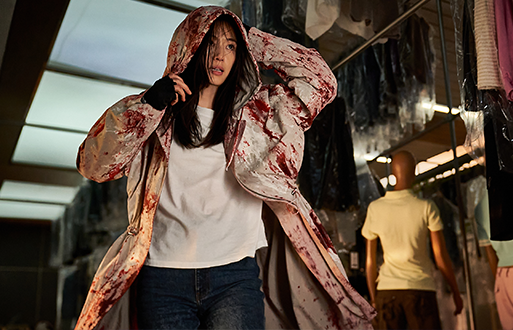
한국영화의 동남아시아(이하 동남아) 시장 진출 전략이 진화하고 있다. 과거에는 한국의 IP(주로 리메이크)를 현지화하거나 한국 스태프가 기술을 지원하는 일방향적 합작이 주를 이뤘다. 반면 최근에는 한국과 현지의 흥미로운 소재를 공동 발굴해 기획, 제작, 투자 전 과정을 함께 진행하는 사례가 늘면서 양방향의 유기적 결합이 자리 잡는 추세다.
이 가운데 최근 ‘자회사를 설립해 처음부터 끝까지 현지화하는 모델’과 ‘현지 거장 감독과의 독점 계약’을 결합한 ‘투 트랙(Two-track) 전략’이 주목받고 있다. 전자의 대표적 성공 사례가 개봉 후 베트남 박스오피스 1위에 올랐던 <화씨저택(Mansion of Mr. Hua)>이며, 후자는 인도네시아를 비롯해 전 세계의 주목을 받은 <고스트 인 더 셀(Ghost in the Cell)>이다. 한국 영화계는 이 같은 전략을 바탕으로 동남아 현지와의 긴밀한 협업 시스템을 구축하고, 이를 통해 생산한 IP로 글로벌 시장으로 도약하겠다는 야심 찬 청사진을 그리고 있다.
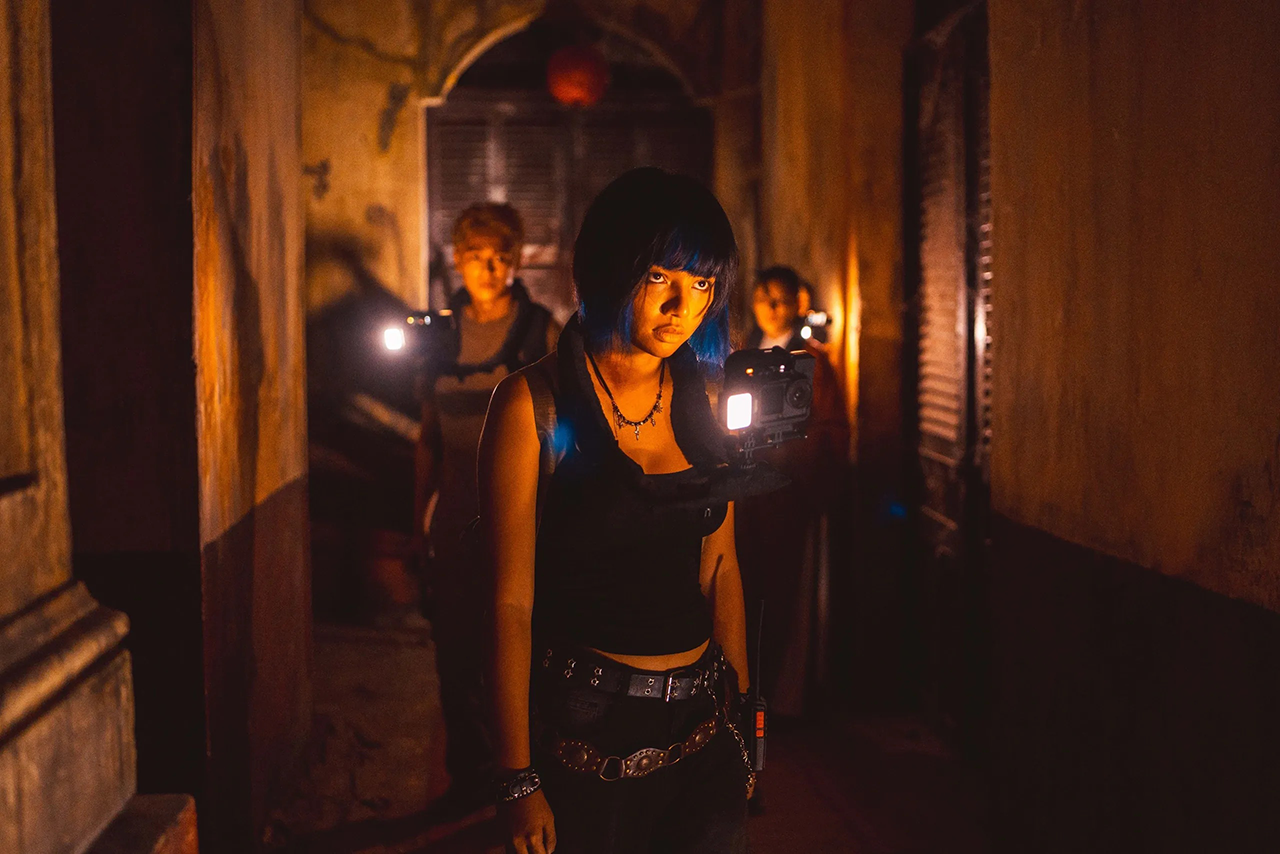
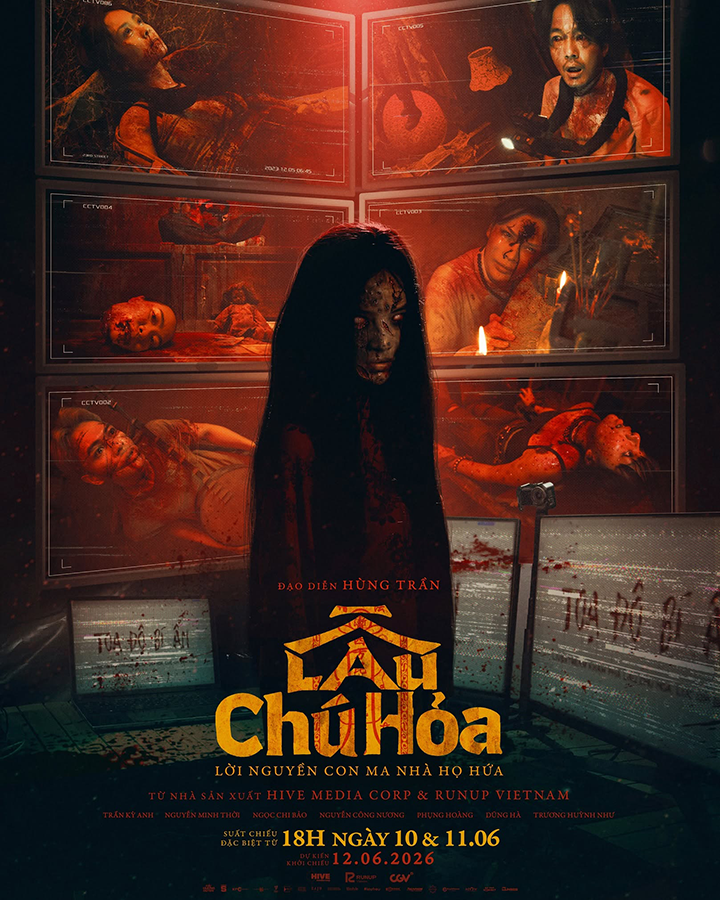
한국 색깔 없이 현지화 모델로 제작된 <화씨저택>(왼쪽)과
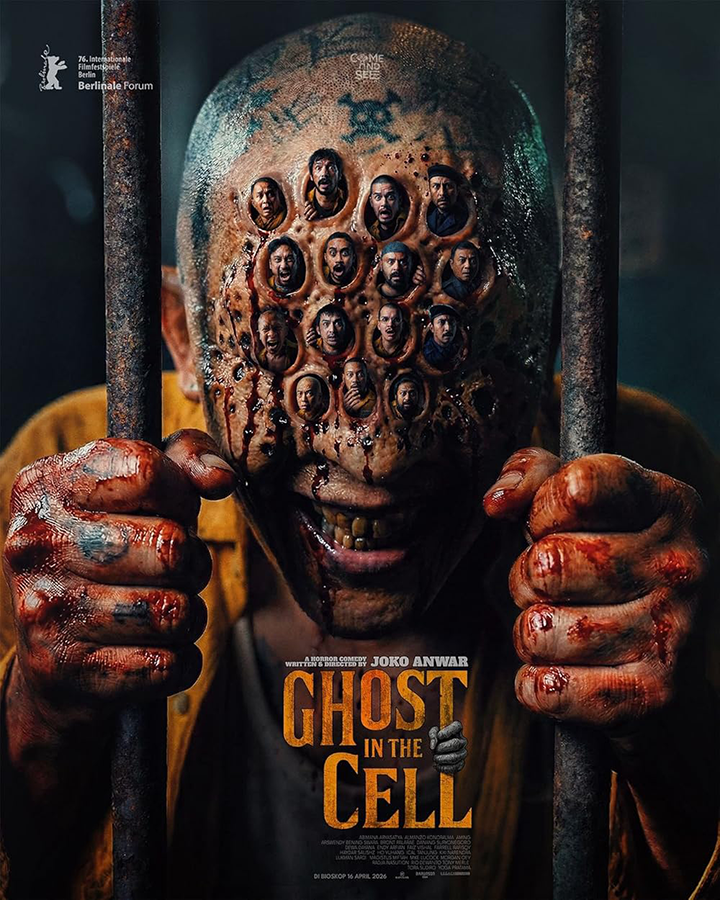
현지 거장 감독과의 독점 계약을 통해 제작한 <고스트 인 더 셀>
(제공=런업베트남, 컴앤씨 픽쳐스)
<화씨저택>
베트남 색채 강한 파운드 푸티지
지난해 8월 개봉해 베트남 박스오피스 1위에 오른 <엄마를 버리러 갑니다>는 가난한 이발사가 아버지가 다른 한국인 형에게 어머니를 맡기려는 이야기를 그린 작품이다. 영화 <안시성>(2018)을 만든 모티브픽쳐스와 CJ ENM 베트남 영화제작팀장 출신의 최윤호 대표가 이끄는 SATE(Sidus And Teu Entertainment)가 공동제작했다. 모홍진 감독이 직접 시나리오를 쓰고 메가폰을 잡았으며, 크레딧에는 한국과 베트남 스태프의 이름이 거의 반반씩 올랐다. 당시 베트남 현지 스태프들 사이에서 “영화가 시작되는 순간 한국 냄새가 물씬 풍겼다”라는 평이 나올 만큼 한국적 색채가 짙은 작품이었다.
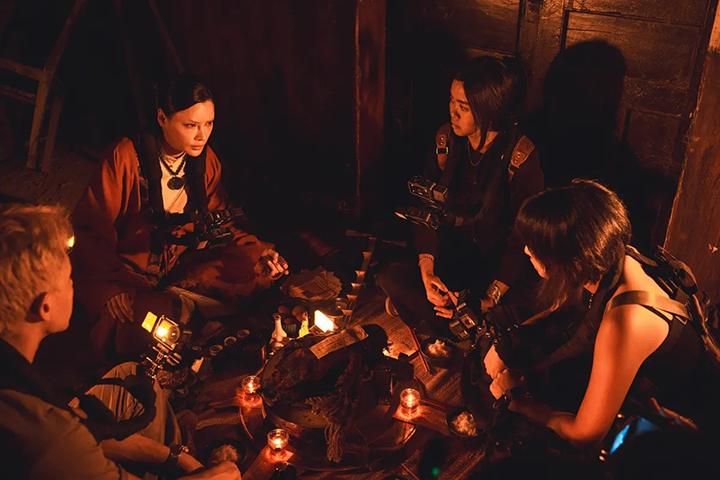
반면 지난 6월 개봉한 <화씨저택>에는 한국적 색채가 전혀 없다. 조회 수를 올리려 폐쇄된 ‘화씨저택’에 무단 침입한 스트리머들이 원혼의 기이한 현상에 갇히며 라이브 방송은 공포의 기록으로 변해가는 이야기다. 베트남 호찌민에 실제 존재하는 역사적 건축물 ‘화씨저택’과 현지 도시 괴담을 소재로 한 이 영화는 개봉 6일 만에 박스오피스 정상을 차지했다. 런업컴퍼니의 베트남 자회사 런업베트남과 <내부자들>(2015), <서울의 봄>(2023)으로 유명한 하이브미디어코프가 공동제작한 <화씨저택>은 철저한 ‘콘텐츠 현지화’의 중요성을 입증한 모범 사례로 평가받는다.
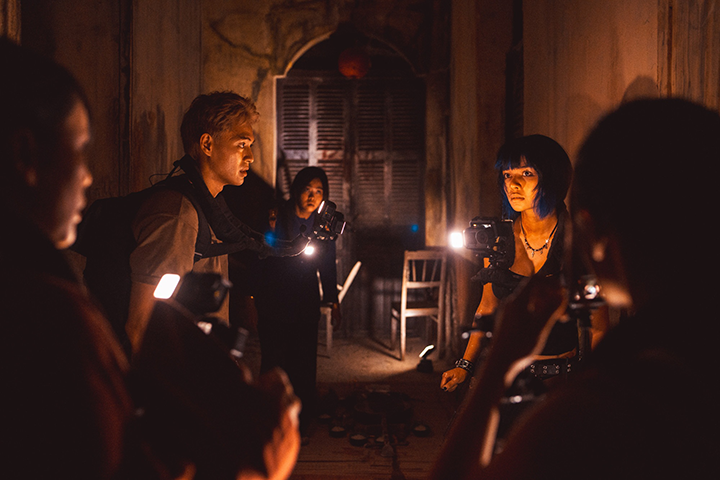
이 작품은 실제 베트남인들이 시나리오 집필부터 제작 방식, 연출, 연기까지 대부분의 과정에 참여했다. 베트남 인력들이 주도하고 한국이 이를 서포트하는 방식이 흥행을 견인한 것이다. 연출 면에서도 갑자기 튀어나와 놀라게 하는 ‘점프 스케어(Jump scare)’와 효과음을 최소화하는 대신, 공간과 고요함이 주는 공포 효과를 극대화해 관객의 찬사를 받았다. 현지 언론은 “파운드 푸티지(Found footage, ‘발견된 영상’이라는 뜻 그대로 마치 누군가 실제로 촬영해서 남겨놓은 영상을 우연히 발견한 것처럼 꾸며서 만든 영화 형식)라는 새로운 장르에 베트남의 전통적인 콘셉트가 잘 녹아들었다”라고 호평했다.
<화씨저택>은 베트남 제작진이 주도한 공동제작 영화로, 기존 베트남 영화에 없었던
파운드 푸티지 장르를 시도해 박스오피스에서 큰 인기를 얻었다(제공=런업베트남)
이진성 런업베트남 법인장은 “베트남 영화시장은 빠르게 성장하는 만큼 흥행 패턴도 급변하기 때문에 변화하는 트렌드를 즉각 반영하는 것이 가장 중요하다”라며 “기존 데이터에 의존한 예측이나 전략은 무의미하며, 시장 상황을 실시간으로 파악하고 적용하는 것이 성공 요인”이라고 말했다.
공동제작사 김원국 하이브미디어코프 대표 역시 “현지 정서를 가장 잘 아는 런업베트남이 실제 괴담 소재 발굴, 배우 캐스팅, 현지 마케팅을 주도했고, 우리는 기획·제작 노하우를 투여하고 자금 조달을 책임졌다”라며 “서로의 전문성을 100% 존중하며 매 단계 긴밀하게 소통한 덕분에 좋은 결과로 이어졌다”고 밝혔다.
정서적 공감대도 흥행에 한몫했다. 한국과 베트남은 가족 중심의 서사, 권선징악, 전쟁과 분단을 겪은 민족이라는 공통점이 있어 ‘한(恨)의 정서’에 쉽게 공감한다. <화씨저택> 또한 공포영화의 틀을 쓰고 있지만 그 이면에는 인간의 욕망, 인과응보, 가족 이야기가 깔려 있어 흥행에 성공할 수 있었다.
김원국 대표는 “이번 성공을 계기로 해외 파트너들과 일할 수 있는 튼튼한 발판이 마련됐다”라며 “현재 런업베트남과 함께하는 두 번째 영화의 후반 작업을 진행 중이며, 베트남을 넘어 아시아 및 영어권 시장까지 겨냥한 공동 투자·제작 프로젝트를 다각도로 준비해 각국 문화에 맞는 새로운 협업 모델을 구축해 나갈 것”이라고 전했다.
트렌드를 즉각 반영하고, 시장 상황을 실시간으로 파악한 것이
<화씨저택> 흥행의 가장 중요한 요소였다.
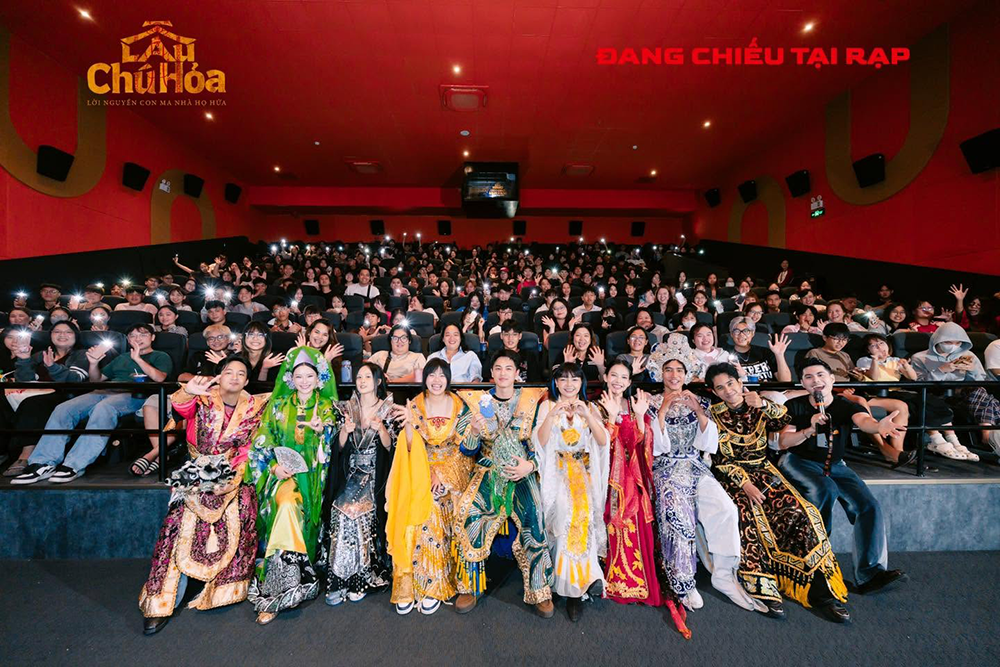
사진은 <화씨저택> 무대 인사 현장(제공=<화씨저택> 페이스북 캡처)
<피퐁> <마쏘>
베트남 소셜 트렌드 분석의 결과
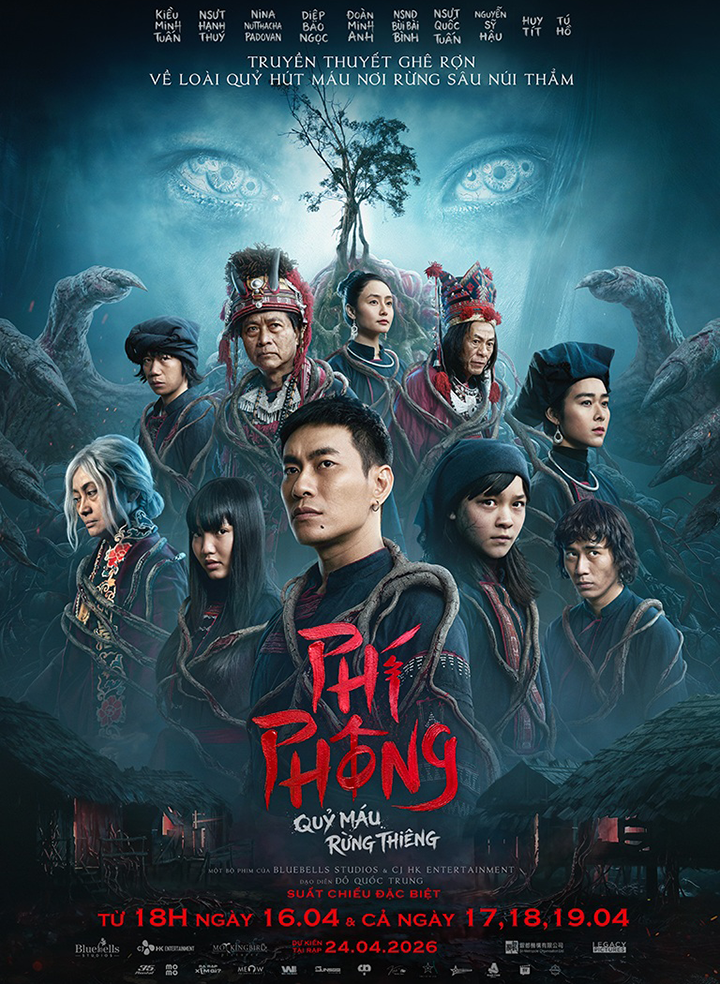
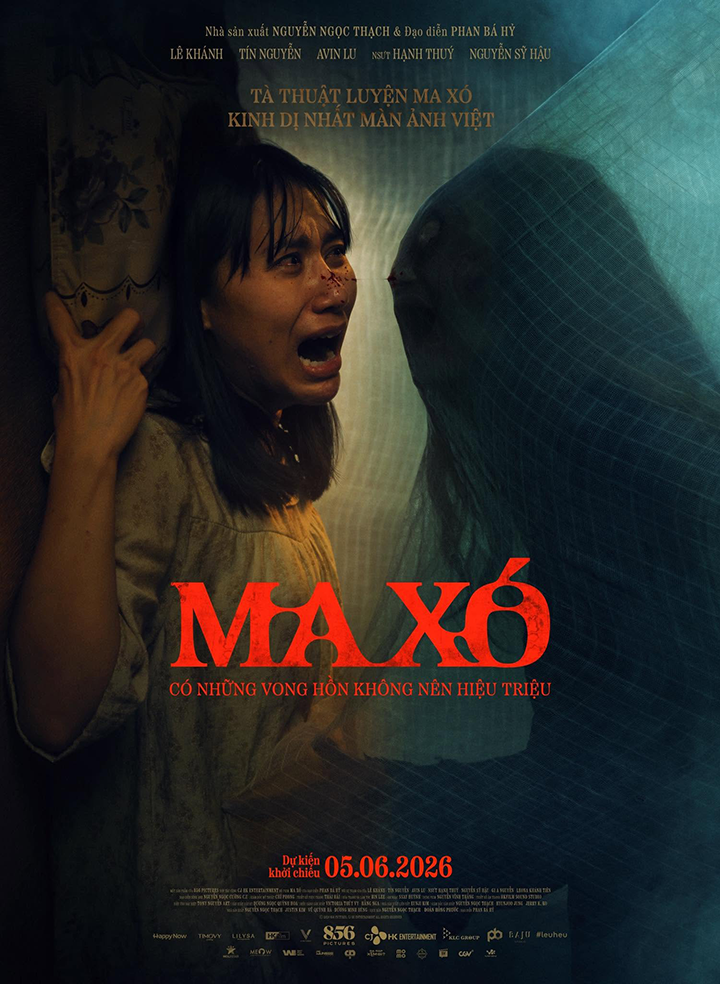
2011년부터 베트남 시장에 진출한 CJ ENM의 베트남 법인 CJ HK 엔터테인먼트도 베트남 영화시장에서 두각을 나타내고 있다. 매력적인 스토리 발굴과 우수한 로컬 영화 제작에 힘을 쏟은 결과, 2023년 <더 하우스 오브 노 맨(The House of No Man)>(당시 베트남 역대 흥행 1위), 2024년 <마이(Mai)>(당시 베트남 역대 흥행 1위), 2025년 <앤세스트럴 홈(The Ancestral Home)>(당시 베트남 역대 흥행 7위) 등의 성과를 이뤘다. 특히 베트남 전설 속 뱀파이어를 소재로 현지 공동제작사 ‘블루벨스 스튜디오’와의 협업으로 만든 <피퐁: 블러드 데몬(Phi Phong: The Blood Demon, 이하 피퐁)>은 지난 4월 개봉해 베트남 호러영화 역대 흥행 1위를 차지했다. 현대 베트남을 배경으로, 죽어가는 어머니를 구하려 북서부 산골로 향한 무당 남매가 전설 속 뱀파이어 ‘피퐁’이 얽힌 잔혹한 살인 사건에 휘말리는 이야기에 베트남 관객이 크게 호응했다. 현지 공동제작사 ‘856 픽쳐스’와 아이템 픽업, 개발, 작품 기획을 함께 진행한 <마쏘: 포비든 리추얼(MAXO: Forbidden Ritual, 이하 마쏘)> 역시 베트남 호러 역대 흥행 3위에 올랐다. 곧 태어날 아기를 살리기 위해 가난한 부부는 무당의 지시에 따라 죽은 시어머니의 영혼을 집의 수호신으로 바꾸는 금기된 의식을 치르다가 설명할 수 없는 공포와 마주하게 되는 스토리다. 개봉 전부터 한국, 미국, 일본, 태국, 인도네시아 등 다양한 국가에서의 리메이크 및 세계관 확장을 염두에 두고 작업을 진행 중이다.
김현우 CJ HK 엔터테인먼트 법인장은 “다양한 작품을 만들며 구축해온 데이터베이스 기반 관객 수요 키워드를 분석하고 몇백 편의 작품을 현지에 배급하고 마케팅하며 쌓아온 소셜 트렌드 키워드 분석을 기반으로 현지 관객들에게 가장 소구력 있고 정성적인 교류를 할 수 있는 작품을 만들었다”면서 “아이템 선정 후의 스토리 작업에서 이를 단계별로 구조화하고, 아이디어와 스토리를 차근차근 체계화하는 피드백과 개선 작업을 반영하기 때문에 현지의 만족도가 높다”고 전했다.
베트남 호러영화 역대 흥행 1위 <피퐁>(왼쪽)과 3위 <마쏘>(제공=CJ HK 엔터테인먼트)
베트남 영화의 상업적 가능성을 높이다
지난 10년간 한국과 베트남의 영화 협업은 단계적으로 발전해 왔다. <써니>(2011), <수상한 그녀>(2014)의 리메이크 성공을 1단계, 한국의 제작 노하우와 베트남의 이야기·인재가 결합한 <엄마를 버리러 간다>의 흥행을 2단계로 본다면, 현재는 한국의 투자와 제작 협력을 바탕으로 한 베트남 영화들이 자국 박스오피스에서 잇따라 흥행에 성공하는 3단계로 진화하고 있다.
베트남 영화평론가 레 홍 람(Le Hong Lam)은 “최근 흥행한 <화씨저택>, <피퐁>, <마쏘>는 양국 영화 협력이 훨씬 더 균형 있고 성숙한 단계에 접어들었음을 보여준다”며 “이 작품들은 단순히 한국 콘텐츠를 각색한 것이 아니라 이야기와 캐릭터, 문화적 정체성 면에서 본질적으로 베트남 영화이면서도 제작·기획·시장 전략에서는 한국의 경험을 효과적으로 활용하고 있다”고 평가했다.
그는 한국 영화사의 베트남 진출을 긍정적으로 평가했다. 레 홍 람 평론가는 “한국 기업들은 영화 제작과 프로젝트 개발, 마케팅, 극장 배급 등 전반에서 전문성을 높이고 체계적인 제작 시스템을 도입하는 데 기여했다”며 “베트남과 한국 창작진의 협업을 활성화하는 것은 물론, 현지 영화 인재를 육성하는 데에도 큰 도움이 됐다”고 말했다. 이어 “한국의 투자는 베트남 영화의 상업적 가능성에 대한 신뢰를 높였고, 그 결과 최근에는 더 높은 제작 수준과 더 넓은 시장을 목표로 하는 야심 찬 프로젝트들이 활발히 개발되고 있다”고 덧붙였다.
양국 협업의 미래에 대해서도 낙관적인 전망을 내놓았다. 그는 “앞으로는 오리지널 스토리를 공동 개발하고 창작 리더십을 공유하며, 양국 문화의 진정성을 유지하면서도 국제시장에서 경쟁력을 갖춘 영화를 만드는 진정한 의미의 공동제작으로 나아가야 한다”며 “양국 간 문화 교류가 계속 확대되고 있는 만큼 한국과 베트남의 영화 협력은 앞으로 더욱 다양하고 풍부한 형태로 발전할 것”이라고 전망했다.
철저한 준비로 까다로운 베트남 규제 넘어야
이처럼 한국과의 협업 등에 힘입어 베트남 영화시장은 폭발적으로 성장하고 있다. 베트남은 코로나19 팬데믹 이후 현재까지 매년 지속적인 성장을 기록 중인 전 세계에서 몇 안 되는 유망 시장이다. 2020년까지만 해도 관객 수 200만 명이 최고 흥행 기준이었으나, 불과 5년 만인 2025년에는 800만 관객을 동원하는 영화가 탄생했을 정도로 시장 규모가 급팽창했다.
그러나 이진성 법인장은 시장의 장밋빛 미래만 보고 무작정 뛰어드는 것을 경계했다. 그는 “많은 한국 제작사가 베트남과의 협업을 시도하지만, 대부분 한국적인 시각으로만 접근하기 때문에 실제 제작으로 이어지는 경우는 드물다”며 “한국을 메인으로 두고 베트남을 서브로 인식하는 전략은 무조건 실패한다. 최소 1~2년 전부터 현지에 진출해 시장과 정서를 정확히 파악하는 선제적 노력이 필수적”이라고 조언했다.
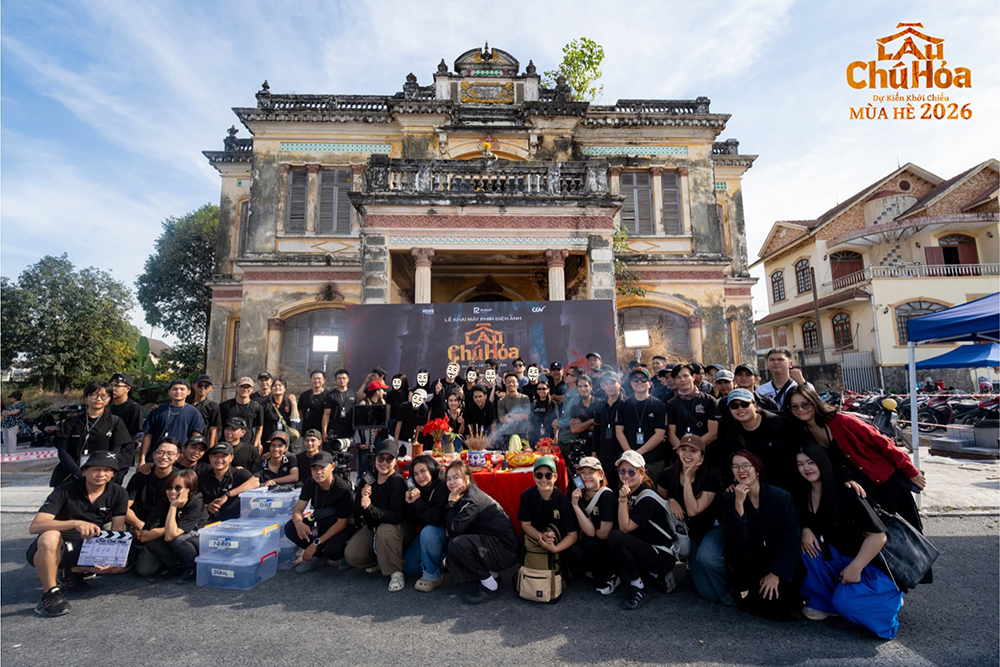
한국, 베트남 제작진이 한데 모인 <화씨저택> 크랭크인 고사 현장
(제공=<화씨저택> 페이스북 캡처)
한국과 상이한 법규와 검열 제도를 극복하는 것도 과제다. 김원국 대표는 “국가가 다르다 보니 법적 규제, 정산 방식, 현장 작업 스타일 등 여러 차이에서 오는 리스크와 불편함이 당연히 존재한다”며 “우리는 이 문제를 현지 시장을 가장 잘 아는 런업베트남과의 끊임없는 소통으로 조율했다. 일방적으로 한국 방식을 고집하지 않고 현지 파트너의 가이드를 전적으로 신뢰하고 수용한 것이 주효했다”고 전했다.
까다로운 심의 제도와 외국인 투자 구조의 복잡성 역시 큰 장벽이다. 최윤호 SATE 대표는 “베트남은 문화 콘텐츠에 대한 정부 차원의 가이드라인과 심의 기준이 매우 엄격하고, 세부 기준이 가변적이어서 기획·시나리오 단계부터 리스크 관리에 각별히 유의해야 한다”며 “한국에서 통용되는 많은 소재와 시나리오가 베트남에서는 애초에 제작 불가능 판정을 받는 경우가 많다”고 지적했다.
해외 투자금 유입 및 정산 과정도 녹록지 않다. 지속적인 비즈니스를 위해서는 현지에 합작법인을 설립하는 것이 가장 효과적이다. 그렇지 않을 경우 BCC(Business Cooperation Contract, 경영협력계약)라는 일종의 합작 계약을 맺고, 이를 통해 IRC(Investment Registration Certificate, 투자등록증명서)를 발급받는 절차를 거쳐야만 현지에서 공식적인 법적 투자자 지위를 확보할 수 있다.
최윤호 대표는 “이 과정이 매우 까다롭고 복잡해 외국인 투자자 입장에서는 신속한 투자 결정을 내리기가 쉽지 않다”며 “특히 BCC를 통한 절차 자체가 대규모 프로젝트를 염두에 두고 설계된 것이라, 중소 규모 영화의 경우 원금 회수(정산) 과정이 상당히 오래 걸린다는 점이 큰 걸림돌”이라고 설명했다.
<고스트 인 더 셀>
인도네시아 거장과의 독점 파트너십
베트남과 더불어 인도네시아 영화 시장의 성장세도 매섭다. 인도네시아 극장 산업은 연간 관객 수가 1억 2천만 명을 상회하는 동남아 최대 시장이다. 매주 3~4편씩 자국 호러·코미디 신작과 애니메이션, 글로벌 블록버스터가 쏟아져 나와 마케팅 및 스크린 확보 경쟁이 치열하다.
이 역동적인 시장에서 영화 <기생충>(2019)의 제작사 바른손이앤에이(이하 바른손)가 새로운 이정표를 세웠다. 바른손이 인도네시아의 거장 조코 안와르 감독의 제작사 ‘컴앤씨 픽쳐스(Come and See Pictures)’와 공동제작하고 해외 세일즈를 맡은 장르영화 <고스트 인 더 셀>은 지난 4월 16일 현지 개봉 이후 누적 관객 336만 명(6월 초 공식 발표 기준)을 돌파했다. 이에 앞서 지난 2월에는 베를린국제영화제 월드 프리미어 부문에 초청돼 호평을 받았으며, 전 세계 148개국에 선판매되는 등 국제 무대에서도 뜨거운 관심을 입증했다.
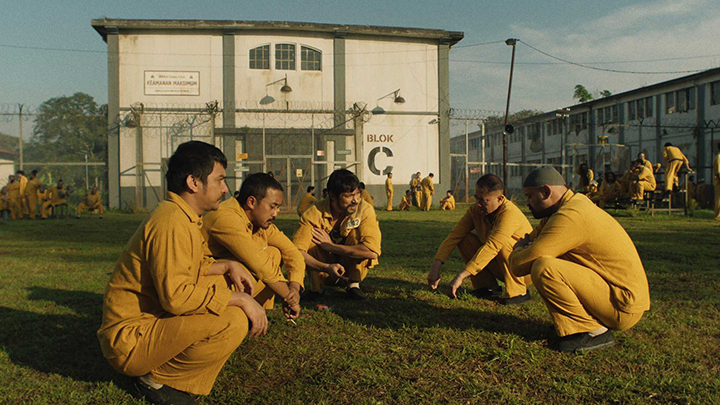
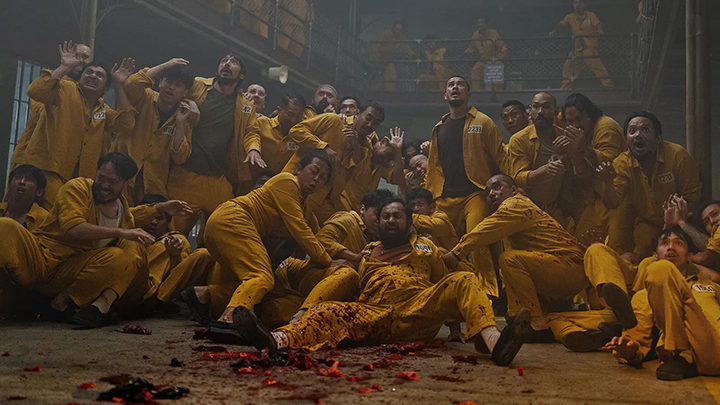
이야기는 두 장르가 교배된다. 인도네시아 최악의 교도소가 배경으로, 갱단은 서로를 물어뜯고, 교도관은 부패와 폭력으로 군림한다. 어느 날, 정체불명의 존재가 죄수들을 하나씩 무참히 살해하기 시작하면서 교도소는 순식간에 혼돈에 휩싸인다. 최윤희 바른손 대표는 “각자의 사연을 지닌 수감자들이 정체불명의 존재로부터 살아남기 위해 노래하고 춤추고 명상해야 하는 상황, 그리고 적대적이었던 이들이 생존을 위해 협력하게 되는 아이러니가 이 영화를 특별하게 만들었다”며 “고어 호러와 블랙 코미디가 쉴 새 없이 교차하며 끝까지 긴장감과 오락성을 유지한 점이 주된 흥행 포인트”라고 분석했다.
최윤희 대표는 CJ ENM 재직 시절부터 조코 안와르 감독을 눈여겨보았다. <내 마음의 복제>(2015), <사탄의 숭배자>(2017), <임페티고어>(2019) 등의 해외 세일즈를 담당하며 인도네시아 영화시장을 가까이서 지켜봤고, 그의 뛰어난 연출력을 높이 평가했다. 특히 <사탄의 숭배자>가 현지에서 420만 명의 관객을 동원하는 것을 보며 인도네시아 콘텐츠가 자국 시장을 넘어 글로벌 관객에게도 충분히 통할 수 있다는 확신을 가졌다. 조코 안와르 감독이 늘 신선한 시도를 하면서도 자신만의 색깔과 문제의식을 잃지 않는 리더이자 장기적으로 함께 성장할 최적의 파트너라고 판단해 2년간의 독점 파트너십을 체결하게 된 것이다.
조코 안와르 감독의 명성에 더해 고어 호러와 블랙 코미디 장르로
관객들의 주목을 받은 <고스트 인 더 셀>
(제공=컴앤씨 픽쳐스)
인도시네아 및 동남아 IP 다각화 구조 만들기
바른손은 컴앤씨 픽쳐스 외에도 <기생충>을 통해 축적한 해외 사업 경험과 노하우를 십분 활용해 비시네마 픽쳐스(Visinema Pictures), 베이스 엔터테인먼트(Base Entertainment), 라피 필름(Rapi Films) 등 현지 주요 제작사들과 탄탄한 파트너십 네트워크를 구축해 왔다.
이러한 네트워크를 발판 삼아 바른손은 단순한 합작 영화 제작을 넘어, IP를 전방위로 확장해 글로벌 시장을 공략하겠다는 전략이다. 현재 인도네시아의 ‘이매지나리(Imajinari)’와 함께 현지 흥행작 <아각 라엔(Agak Laen)>(2024), <아각 라엔 2(Agak Laen: Menyala Pantiku!)>(2025), <팅갈 매닝갈(Tinggal Meninggal)>(2025) 등의 리메이크 판권 사업을 추진 중이다. 또한 스튜디오N과 손잡고 한국의 유명 웹툰·웹소설 IP의 동남아 현지화도 진행하고 있다. 최윤희 대표는 “우수한 IP가 국가, 언어, 포맷의 경계를 넘어 리메이크 영화, 시리즈, 웹툰, 드라마 등 다양한 형태로 끊임없이 거듭날 수 있는 구조를 만들고 있다”라고 강조했다.
CJ HK 엔터테인먼트도 IP의 다각화를 시도 중이다. 특히 베트남의 민간 신앙과 주술을 소재로 한 심리·초자연적 호러영화 <마쏘>는 기존 할리우드 호러영화들처럼 프랜차이즈화하면서, 다수의 시장에서 함께 세계관을 만들어갈 계획이다. 이는 동남아 현지의 탄탄한 민속 IP를 발굴해 글로벌 시장으로 역수출하는 새로운 사례로 주목받고 있다.
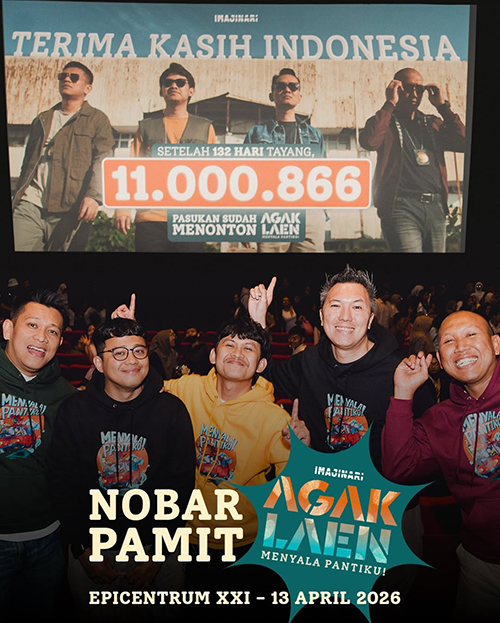
최종 누적 관객 수 1천100만 866명을 기록하며 인도네시아 박스오피스 역대 흥행 1위를
기록한 <아각 라엔 2>의 종영 감사 무대 인사 현장(제공=이매지나리 페이스북)
시스템 안착 위한 실질적 지원 필요
국내 영화사들은 동남아와의 협업이 일회성 이벤트에 그치지 않고 대등하고 지속 가능한 ‘시스템’으로 안착하기 위해서는 정부 차원의 실질적인 지원이 시급하다고 입을 모은다.
김원국 대표는 “국가 간 공동제작 영화에 대한 세제 혜택 신설, 복잡한 해외 투자 행정 절차의 간소화, 해외 로케이션 및 기술 협력에 대한 정부 보조금 지급, 그리고 통번역 지원 등이 현장 실무 수준에서 대폭 확대되기를 바란다”고 건의했다.
최윤호 대표 역시 “단순한 현금성 보조금 지원보다는 현지 제작사 및 인력과의 매칭은 물론 투자, 배급, 법률, 세무, 회계 전문가를 연결해 줄 수 있는 ‘현지 상설 비즈니스 지원 데스크’ 설립이 절실하다”며 개별 기업이 독자적으로 해결하기 힘든 실무 영역에 대한 지원을 요청했다. 아울러 “정부 주도의 국가 간 공동제작 협정 체결을 통해 합작 사업을 활성화하고, 양국 창작 인력 육성 프로그램을 정례화한다면 큰 도움이 될 것”이라고 덧붙였다.
영화진흥위원회(이하 영진위) 역시 최근 급변하는 한국과 동남아 국가 간의 협업 양상에 주목하고 있다. 김영구 영진위 국제사업팀장은 “<화씨저택>은 대기업 위주의 베트남 시장에서 중소기업인 런업컴퍼니의 베트남 법인이 현지 제작 네트워크, 인력, 유통 접점을 꾸준히 축적해 이뤄낸 쾌거”라며 “단순 지분 투자를 넘어 기획, 제작, 배급망을 내재화함으로써 중소 제작사도 한국식 제작 시스템을 성공적으로 이식할 수 있음을 증명했다”고 평했다.
또한 “<고스트 인 더 셀>은 인도네시아 최정상급 창작자인 조코 안와르 감독의 예술적 비전과 한국의 베테랑 해외 세일즈 노하우가 결합한 이상적인 모델”이라며 “감독의 세계적 명성과 국제영화제 인지도, 탄탄한 로컬 팬덤을 바탕으로 초기 시장 진입 장벽을 낮췄고, 비교적 적은 자본으로도 콘텐츠 완성도와 화제성을 극대화했다”고 분석했다.
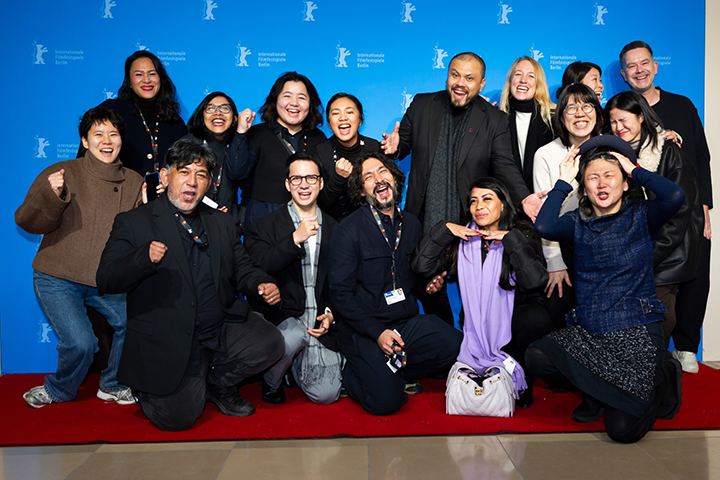
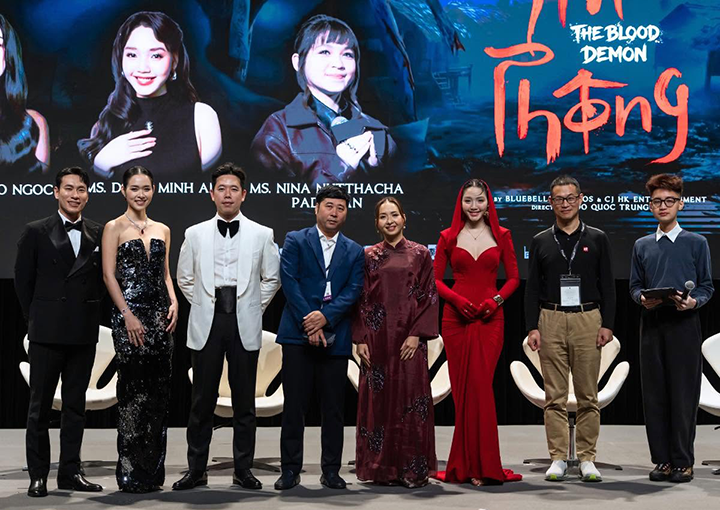
올해 베를린국제영화제에 초청된 <고스트 인 더 셀>(위)과 홍콩국제필름마트에서 글로벌 쇼케이스를 가진 <피퐁>.
동남아 국제공동제작 영화들은 전 세계의 주목을 받고 있다
(사진=베를린국제영화제 홈페이지, CJ HK 엔터테인먼트 페이스북 캡처)
이처럼 한국 영화사들이 동남아 시장에서 괄목할 만한 성과를 거둠에 따라, 영진위는 해외 영화사와의 협업을 보다 적극적으로 뒷받침할 계획이다. 영진위는 올해부터 신설된 ‘영화 국제공동제작 시범사업’을 통해 선정된 프로젝트에 편당 최대 5억 원의 제작비를 지원하고 있다. 올해 상·하반기 두 차례에 걸쳐 공모를 진행한 결과, 상반기에 접수된 총 19편의 작품 중 6편이 인도네시아와의 공동제작 건이었으며, 이를 포함해 총 11편이 동남아 국가와의 협업 프로젝트였다. 동남아 시장을 타깃으로 현지화된 로컬 작품 제작이 완연한 활성화 단계에 접어들었음을 보여주는 지표다.
이외에도 영진위는 아시아영화협력네트워크(AFAN) 회원국(한국, 인도네시아, 필리핀, 말레이시아, 싱가포르, 몽골, 대만, 태국) 간의 ‘공동배급 펀드’ 신설을 추진 중이며, 인도네시아 족자-넷펙 아시안 영화제(JAFF) 마켓 참가 지원, 재외한국문화원 협력 한국영화제 및 동남아 현지 영화제 연계 상영회 개최 등 다각적인 네트워크 사업을 펼치고 있다.
나아가 내년에는 해외로 진출하는 한국 IP의 초기 개발비 리스크를 분산하고 한국 측이 IP 주도권을 선점할 수 있도록 ‘국제공동제작영화 기획개발지원 사업’을 신설할 예정이다. 또한, 급성장하는 동남아 등 해외 영화의 국내 촬영 유치를 독려하기 위해 한동안 중단되었던 ‘외국영상물 로케이션 인센티브 지원사업’도 재개하는 등 보다 포괄적이고 입체적인 지원책을 추가 도입할 방침이다.
김영구 팀장은 “한국의 고도화된 기획·투자 역량과 동남아 현지의 역동적인 창작 에너지를 결합해 IP를 공동 소유하고, 나아가 글로벌 OTT 플랫폼 및 인접국 시장을 동시에 공략하는 모델이 핵심”이라며 “이러한 IP 및 인적 자원 중심의 ‘다국적 공동제작 허브’ 구축이 향후 한국 영화 해외 진출의 새로운 지향점이 될 것”이라고 전망했다.
공동제작
국제공동제작
동남아시아
동남아영화
현지화모델
감독독점계약
IP
화씨저택
고스트인더셀
피퐁
마쏘
GLOBAL
Vietnam and Indonesia's
"Two-Track" Success
Phase Three of Korean Cinema's
Southeast Asia Strategy
By Kwak Myung-dong
(MyDaily Reporter)
July 13, 2026
Vietnamese film Mansion of Mr. Hua, co-produced by Runup Vietnam and Hive Media (Courtesy of Runup Vietnam)
Vietnamese film Mansion of Mr. Hua,
co-produced by Runup Vietnam and Hive Media (Courtesy of Runup Vietnam)
Korean cinema's strategy for expanding into the Southeast Asian market is evolving. In the past, collaborations were largely one-way, centering on localizing Korean IP—primarily through remakes—or providing technical support from Korean production crews. More recently, however, the industry has shifted toward two-way partnerships, with Korean and local companies jointly discovering compelling stories and collaborating throughout the entire process of development, production, and investment.
Among these developments, a "two-track" strategy has emerged as a key focus. It combines establishing local subsidiaries to fully localize projects from development through production with forming exclusive partnerships with leading local directors. A prime example of the former is Mansion of Mr. Hua, which topped the Vietnamese box office after its release. The latter is exemplified by Ghost in the Cell, which attracted widespread attention not only in Indonesia but also internationally. Building on this strategy, the Korean film industry aims to establish close co-production partnerships across Southeast Asia and use the IP created through these collaborations as a springboard to the global market.
Mansion of Mr. Hua (left) exemplifies a fully localized production model, while Ghost in the Cell (right) was produced in partnership with a leading local director. (Courtesy of Runup Vietnam and Come and See Pictures)
Mansion of Mr. Hua
A Distinctly Vietnamese Found Footage Horror Film
Released in August last year, Leaving Mom topped the Vietnamese box office. The film follows a struggling barber who attempts to entrust his mother to his Korean half-brother. It was co-produced by Motive Pictures, the studio behind The Great Battle (2018), and SATE (Sidus And Teu Entertainment), led by CEO Choi Yuno, the former head of CJ ENM Vietnam's film production team. Director Mo Hong-jin wrote and directed the film, and the production credits featured nearly equal numbers of Korean and Vietnamese crew members. At the time, many Vietnamese film professionals remarked that "the moment the film began, it immediately felt unmistakably Korean," reflecting its strong Korean creative identity.
By contrast, Mansion of Mr. Hua, released this past June, contains virtually no Korean creative influence. The story follows a group of livestreamers who illegally enter the abandoned Hua Mansion in search of online views, only to become trapped by supernatural forces unleashed by restless spirits, turning their broadcast into a terrifying record of horror. Inspired by the real-life historic Hua Mansion in Ho Chi Minh City and local urban legends, the film reached No. 1 at the Vietnamese box office just six days after its release. Co-produced by Runup Vietnam, the Vietnamese subsidiary of Runup Company, and Hive Media Corp.—best known for Inside Men (2015) and 12.12: The Day (2023)— Mansion of Mr. Hua is regarded as a model case demonstrating the importance of thorough content localization.
Vietnamese filmmakers led virtually every stage of production, from screenplay development and production to directing and acting, while the Korean side played a supporting role. This locally driven production model proved to be a key factor in the film's commercial success. The film also received praise for minimizing conventional jump scares and loud sound effects, instead building tension through the unsettling atmosphere created by space and silence. Local media further applauded the film for successfully combining the found footage genre—presented as though it were real footage accidentally discovered—with traditional Vietnamese themes and folklore.
Mansion of Mr. Hua, a co-production led by a Vietnamese creative team, became a box office hit with
its found footage format—a rarity in Vietnamese cinema. (Courtesy of Runup Vietnam)
Lee Jin-sung, CEO of Runup Vietnam, said, "Vietnam's film market is growing so rapidly that box office trends shift just as quickly. The key is responding immediately to changing audience preferences. Forecasts and strategies based on historical data have little value. Success depends on understanding market conditions in real time and adapting accordingly."
Kim Won-guk, CEO of Hive Media Corp., the film's co-production partner, shared a similar view. "Runup Vietnam, with its deep understanding of local culture, led the discovery of authentic ghost stories, casting, and local marketing, while we contributed our expertise in planning and production and took responsibility for financing," he said. "The project succeeded because we fully respected each other's expertise and maintained close communication throughout every stage of production."
Emotional resonance also contributed to the film's success. Korea and Vietnam share important cultural commonalities, including family-centered storytelling, a strong sense of justice in which good ultimately triumphs over evil, and the historical experience of war and national division. These shared experiences make audiences in both countries particularly receptive to narratives shaped by han—the Korean concept of deep-seated sorrow, longing, and resilience. Although Mansion of Mr. Hua is presented as a horror film, its underlying themes of human desire, moral consequence, and family resonated with audiences and helped drive its commercial success.
CEO Kim added, "This success has given us a strong foundation for collaborating with overseas partners. We are currently in post-production on our second film with Runup Vietnam. Beyond Vietnam, we are also preparing a range of co-financing and co-production projects targeting broader Asian markets as well as English-speaking territories. Our goal is to develop new collaboration models tailored to the cultural characteristics of each market."
Mansion of Mr. Hua's box office success was driven by its quick response to emerging trends and real-time adaptation
to market conditions. Pictured is a stage greeting for the film. (Courtesy of the Mansion of Mr. Hua Facebook page)
Phi Phong and MAXO
Success Built on Understanding Vietnamese Social Trends
CJ HK Entertainment, CJ ENM's Vietnamese subsidiary, which entered the Vietnamese market in 2011, has established itself as a major force in the country's film industry. By focusing on discovering compelling stories and producing high-quality local films, the company has achieved a string of commercial successes, including The House of No Man (2023), which became Vietnam's highest-grossing film at the time; Mai (2024), which set a new all-time box office record; and The Ancestral Home (2025), which debuted at No. 7 on Vietnam's all-time box office chart. Most notably, Phi Phong: The Blood Demon, a horror film based on the legendary Vietnamese vampire Phi Phong and co-produced with local studio Bluebells Studio, was released last April and became the highest-grossing Vietnamese horror film of all time. Set in contemporary Vietnam, the film follows a brother-and-sister pair of shamans who travel to a remote mountain village in the country's northwest to save their dying mother, only to become entangled in a series of brutal murders linked to the legendary vampire. The film resonated strongly with Vietnamese audiences.
Another major success was MAXO: Forbidden Ritual, developed in collaboration with local production company 856 Pictures from the initial concept through project development. The film became the third highest-grossing Vietnamese horror film in history. It follows an impoverished couple who, in an attempt to save their unborn child, perform a forbidden ritual at the instruction of a shaman, transforming the spirit of the deceased mother-in-law into the guardian deity of their home—only to encounter a series of inexplicable horrors. Even before its release, the project was developed with potential remakes and franchise expansion in mind for markets including Korea, the United States, Japan, Thailand, and Indonesia.
Justin Kim, CEO of CJ HK Entertainment, said, "We developed films with the strongest emotional appeal for local audiences by combining two key sources of insight: audience demand keywords derived from the database we have built through producing a wide variety of films, and social trend keywords accumulated through distributing and marketing hundreds of titles in Vietnam." He added, "Once a project is selected, we systematically refine the story through a structured, step-by-step development process. By continuously organizing ideas, incorporating feedback, and refining the narrative at every stage, we are able to create films that resonate strongly with local audiences."
Phi Phong (left), the highest-grossing Vietnamese horror film of all time, and MAXO (right), the third highest-grossing. (Courtesy of CJ HK Entertainment)
Enhancing the Commercial Potential of Vietnamese Cinema
Over the past decade, film collaboration between Korea and Vietnam has evolved through distinct stages. If the first stage was marked by the successful Vietnamese remakes of Sunny (2011) and Miss Granny (2014), and the second by the box office success of Leaving Mom—which combined Korean production expertise with Vietnamese stories and talent—the industry has now entered a third stage. In this phase, Vietnamese films backed by Korean investment and production partnerships are achieving consecutive box office successes in the domestic market.
Vietnamese film critic Le Hong Lam commented, "Mansion of Mr. Hua, Phi Phong, and MAXO, all recent box office hits, demonstrate that film collaboration between our two countries has reached a far more balanced and mature stage. These films are not simply adaptations of Korean content. They are fundamentally Vietnamese in their stories, characters, and cultural identity, while effectively drawing on Korean expertise in production, planning, and market strategy."
He also spoke positively about the expansion of Korean film companies into Vietnam. "Korean companies have helped raise professional standards across the industry—from film production and project development to marketing and theatrical distribution—by introducing more systematic production processes," he said. "They have not only fostered collaboration between Korean and Vietnamese filmmakers but have also played an important role in developing local filmmaking talent." He continued, "Korean investment has strengthened confidence in the commercial potential of Vietnamese cinema. As a result, we are seeing an increasing number of ambitious projects with higher production values and broader market aspirations."
Looking ahead, Le expressed optimism about the future of bilateral collaboration. "The next step should be true co-productions, with both sides jointly developing original stories, sharing creative leadership, and producing films that preserve the cultural authenticity of each country while remaining competitive in the international market," he said. "As cultural exchange between Korea and Vietnam continues to expand, film collaboration between the two countries will become even more diverse and dynamic."
Thorough Preparation Essential to Navigate Vietnam’s Stringent Regulations
Thanks in part to collaborations with Korea, Vietnam's film market is experiencing remarkable growth. It is one of the few film markets in the world to have recorded sustained year-on-year growth since the COVID-19 pandemic. As recently as 2020, 2 million admissions were considered the benchmark for a major box office hit. Just five years later, in 2025, the market had grown so rapidly that a single film attracted 8 million moviegoers.
However, Lee Jin-sung, CEO of Runup Vietnam, cautioned against entering the market based solely on its promising outlook. "Many Korean production companies seek to collaborate with Vietnamese partners, but few projects actually make it into production because they approach the market exclusively from a Korean perspective," he said. "Any strategy that treats Korea as the primary market and Vietnam as secondary is bound to fail. Companies need to establish a local presence at least one or two years in advance and proactively develop a deep understanding of the market and local sensibilities."
Korean and Vietnamese cast and crew gather for the traditional start-of-production ceremony on the first day
of filming for Mansion of Mr. Hua. (Courtesy of the Mansion of Mr. Hua Facebook page)
Overcoming Vietnam's legal framework and censorship system—both of which differ significantly from Korea's—is another major challenge. Kim Won-guk of Hive Media explained, "Naturally, there are risks and practical challenges arising from differences in legal regulations, settlement procedures, and on-set production practices. We overcame these by maintaining close communication with Runup Vietnam, which has the deepest understanding of the local market. Rather than insisting on Korean methods, we trusted our local partner's expertise and followed its guidance, and that made all the difference."
Vietnam's rigorous content review system and the complexity of its foreign investment regulations also present significant hurdles. Choi Yuno, CEO of SATE, noted, "Vietnam has very strict government guidelines and censorship standards for cultural content, and the detailed criteria can change over time. As a result, careful risk management is essential from the planning and screenplay stages. Many subjects and storylines that are perfectly acceptable in Korea are considered unsuitable for production in Vietnam from the outset."
The process of bringing foreign investment into the country and repatriating returns is equally challenging. For companies planning long-term operations, establishing a local joint venture is generally the most effective approach. Otherwise, foreign investors must enter into a Business Cooperation Contract (BCC) with a local partner and obtain an Investment Registration Certificate (IRC) through that agreement before they can be officially recognized as legal investors in Vietnam.
Choi added, "This process is highly complex and cumbersome, making it difficult for foreign investors to make timely investment decisions. In particular, the BCC framework was designed primarily for large-scale projects. As a result, for small- and mid-budget films, capital recovery and financial settlement can take considerable time, creating a significant barrier."
Ghost in the Cell
An Exclusive Partnership with One of Indonesia's Leading Directors
Alongside Vietnam, Indonesia's film industry is also experiencing remarkable growth. With annual cinema admissions exceeding 120 million, Indonesia is Southeast Asia's largest theatrical market. Every week, three to four new domestic horror and comedy films compete alongside animated features and global blockbusters, making the battle for audience attention and screen allocation exceptionally fierce.
In this dynamic market, Barunson E&A—the production company behind the Academy Award-winning Parasite (2019)—has reached a new milestone. Ghost in the Cell, a genre film co-produced by Barunson E&A and Indonesian filmmaker Joko Anwar's production company, Come and See Pictures, with Barunson also handling international sales, attracted more than 3.36 million admissions in Indonesia following its April 16 release (according to official figures announced in early June). Earlier, in February, the film had its world premiere at the Berlin International Film Festival, where it received critical acclaim, and was pre-sold to distributors in 148 countries, demonstrating its strong international appeal.
The film blends two genres into a single narrative. Set in Indonesia's most notorious prison, it depicts a brutal environment where rival gangs prey on one another and corrupt prison guards rule through violence. One day, an unidentified supernatural entity begins slaughtering inmates one by one, plunging the prison into chaos. Choi Yoon-hee, CEO of Barunson E&A, explained, "What makes the film unique is the irony of prisoners with vastly different backgrounds being forced to sing, dance, and meditate in order to survive an unknown entity, while former enemies must work together to stay alive. The constant interplay between graphic horror and black comedy keeps the tension high and the entertainment value strong throughout the film."
Choi had followed director Joko Anwar's career since her time at CJ ENM. While overseeing the international sales of his films—including A Copy of My Mind (2015), Satan's Slaves (2017), and Impetigore (2019)—she closely observed the Indonesian film industry and developed a deep appreciation for his filmmaking. Seeing Satan's Slaves attract 4.2 million moviegoers in Indonesia convinced her that Indonesian content had the potential to resonate well beyond its domestic market. Believing Joko Anwar to be an ideal long-term creative partner—one who consistently experiments with new ideas while maintaining a distinctive artistic voice and strong thematic vision—Barunson E&A entered into a two-year exclusive partnership with the acclaimed director.
Ghost in the Cell drew audiences with acclaimed director Joko Anwar and its unique blend of
graphic horror and black comedy. (Courtesy of Come and See Pictures)
Building a Diversified IP Ecosystem Across Indonesia
and Southeast Asia
In addition to its partnership with Come and See Pictures, Barunson E&A has leveraged the international business expertise and industry know-how it gained through Parasite to build a strong network of partnerships with leading Indonesian production companies, including Visinema Pictures, Base Entertainment, and Rapi Films.
Building on this network, Barunson's strategy extends well beyond co-producing individual films. The company aims to expand intellectual property (IP) across multiple formats and platforms for the global market. It is currently pursuing remake rights to several Indonesian box office hits with production company Imajinari, including Agak Laen (2024), Agak Laen 2: Menyala Pantiku! (2025), and Tinggal Meninggal (2025). Barunson is also collaborating with Studio N to localize popular Korean webtoon and web novel IPs for Southeast Asian audiences. Choi Yoon-hee, CEO of Barunson E&A, said, "We are building a framework that allows strong IP to continuously evolve beyond the boundaries of country, language, and format, taking on new forms as remake films, television series, webtoons, dramas, and more."
CJ HK Entertainment is pursuing a similar strategy of IP diversification. In particular, MAXO, a psychological supernatural horror film inspired by Vietnamese folk beliefs and shamanistic rituals, is being developed as a franchise modeled on successful Hollywood horror series, with plans to build a shared universe across multiple markets. The project is attracting attention as a new model for discovering compelling Southeast Asian folklore-based IP and bringing it to the global entertainment market.
The cast and filmmakers at the closing thank-you event for Agak Laen 2, which drew a record-breaking
11,000,866 admissions to become the highest-grossing film in Indonesian box office history.
(Courtesy of the Imajinari Facebook page)
Practical Support Needed to Build a Sustainable Collaboration Framework
Korean production companies agree that if collaboration with Southeast Asia is to evolve into a sustainable, long-term partnership rather than a series of one-off projects, more substantial government support is urgently needed.
Kim Won-guk, CEO of Hive Media Corp., proposed, "We hope to see a significant expansion of practical support measures, including tax incentives for international co-productions, simplified administrative procedures for overseas investment, government subsidies for overseas filming and technical collaboration, and enhanced translation and interpretation services."
Choi Yuno, CEO of SATE, likewise emphasized the need for institutional support rather than direct financial assistance. "More than simple cash grants, what we urgently need is a permanent local business support desk that can connect Korean companies with local production partners and professionals in investment, distribution, legal affairs, taxation, and accounting," he said, stressing the importance of support in areas that individual companies struggle to manage on their own. He added, "It would also be extremely beneficial for both governments to promote co-productions through bilateral film co-production agreements and establish regular talent development programs for filmmakers from both countries."
The Korean Film Council (KOFIC) is also paying close attention to the rapidly evolving nature of collaboration between Korea and Southeast Asia. Kim Young-goo, Head of KOFIC's International Affairs Team, commented, "Mansion of Mr. Hua is a remarkable achievement. In a Vietnamese market largely dominated by major corporations, Runup Vietnam—the Vietnamese subsidiary of the Korean SME Runup Company—built a local production network, talent base, and distribution channels through sustained effort. By internalizing the entire process from development and production to distribution, rather than simply making an equity investment, the project demonstrated that even smaller production companies can successfully transplant the Korean production system overseas."
He also praised Ghost in the Cell as "an ideal model that combines the artistic vision of Indonesia's leading filmmaker, Joko Anwar, with Korea's veteran expertise in international film sales." "Leveraging the director's global reputation, recognition at international film festivals, and strong local fan base helped lower the barriers to entering the market," he said. "The project also demonstrated how relatively modest investment can maximize both production quality and public attention."
Ghost in the Cell (top), invited to this year's Berlin International Film Festival, and Phi Phong, showcased globally at
Hong Kong FILMART. International co-productions from Southeast Asia are attracting growing attention from
audiences and industry professionals worldwide. (Courtesy of the Berlin Film Festival website and the CJ HK Entertainment Facebook page)
As Korean production companies continue to achieve notable success in Southeast Asia, KOFIC plans to strengthen its support for international collaboration. Beginning this year, KOFIC launched its International Co-production Pilot Program, which provides up to KRW 500 million in production funding per selected project. During the program's first application round, 19 projects were submitted, including six co-productions with Indonesia and a total of 11 projects involving collaboration with Southeast Asian countries. These figures suggest that the production of localized films for Southeast Asian markets has entered a phase of sustained growth.
KOFIC is also pursuing a range of initiatives to strengthen regional collaboration. These include establishing a Co-distribution Fund among member countries of the Asian Film Alliance Network (AFAN)—Korea, Indonesia, the Philippines, Malaysia, Singapore, Mongolia, Taiwan, and Thailand—supporting participation in the market section of Indonesia's Jogja-NETPAC Asian Film Festival (JAFF), and organizing Korean film festivals and special screenings in partnership with Korean Cultural Centers overseas and local Southeast Asian film festivals.
Looking ahead to next year, KOFIC plans to introduce a new International Co-production Project Development Support Program to help reduce the financial risks associated with the early-stage development of Korean IP for overseas markets while enabling Korean companies to retain greater ownership of their intellectual property. It also intends to revive the Foreign Audiovisual Production Location Incentive Program, which had previously been suspended, to attract more international productions—particularly from rapidly growing markets such as Southeast Asia—to shoot in Korea. Together, these initiatives form part of a broader, more comprehensive support strategy.
Kim Young-goo, Head of KOFIC's International Affairs Team, said, "The key lies in combining Korea's strengths in planning and investment with Southeast Asia's dynamic creative energy to jointly develop and own intellectual property while simultaneously targeting global streaming platforms and neighboring markets." He added, "Building a multinational co-production hub centered on shared IP and creative talent will be the next major step in the global expansion of the Korean film industry."
#CoProduction #InternationalCoProduction #SoutheastAsia #SoutheastAsianCinema #LocalizationModel #ExclusiveDirectorPartnership #IP #MansionOfMrHua #GhostInTheCell #PhiPhong #MAXO